
What Recovery Actually Looks Like
Dental implant recovery has several timelines: early discomfort, gum healing, integration with bone, and placement of final teeth. Feeling comfortable does not prove an implant is ready for normal chewing. Your surgeon's instructions take priority over the general stages below.
At Fusion Dental Implants, ask for a written plan that explains food choices, cleaning, medicines, activity, follow-up, and whom to contact if symptoms change.
On this page
Week 1: The Critical Healing Window
The first seven days set the tone for the entire recovery.
Days 1–3
- Swelling and bruising can occur; report rapid progression or concerning changes
- Some early oozing can occur; follow the team's bleeding instructions
- Choose foods and temperatures recommended for your procedure
- Prescribed or over-the-counter pain control as directed
- Avoid disturbing the surgical site and follow instructions about rinsing and suction
Days 4–7
- Symptoms often start to settle, but recovery is individual
- Begin rinses only when and as directed
- Ask when work, driving after sedation, and activity are safe
- Continue a soft food diet and avoid the surgical side when chewing

Weeks 2–4: Soft Tissue Healing
The gum tissue around the implant closes and remodels during this phase.
- Sutures may dissolve or require removal at the appointment your team specifies
- You can reintroduce soft, easy-to-chew solids — pasta, fish, eggs
- Follow the demonstrated technique and timing for cleaning the surgical site
- Persistent or worsening discomfort warrants a call rather than waiting for a deadline
Ask before resuming strenuous activity or loading an implant-supported temporary.
Weeks 4–12: Bone Healing Continues
Beneath the gum, bone healing and integration continue. Osseointegration is not a guarantee of lifetime success, and it does not begin on a fixed week for every person. Health, grafting, implant stability, and the treatment plan affect timing.
You cannot determine integration by how comfortable the area feels. Keep follow-up appointments even if there is no pain.
Months 3–6 and Beyond: Assessing the Final Restoration
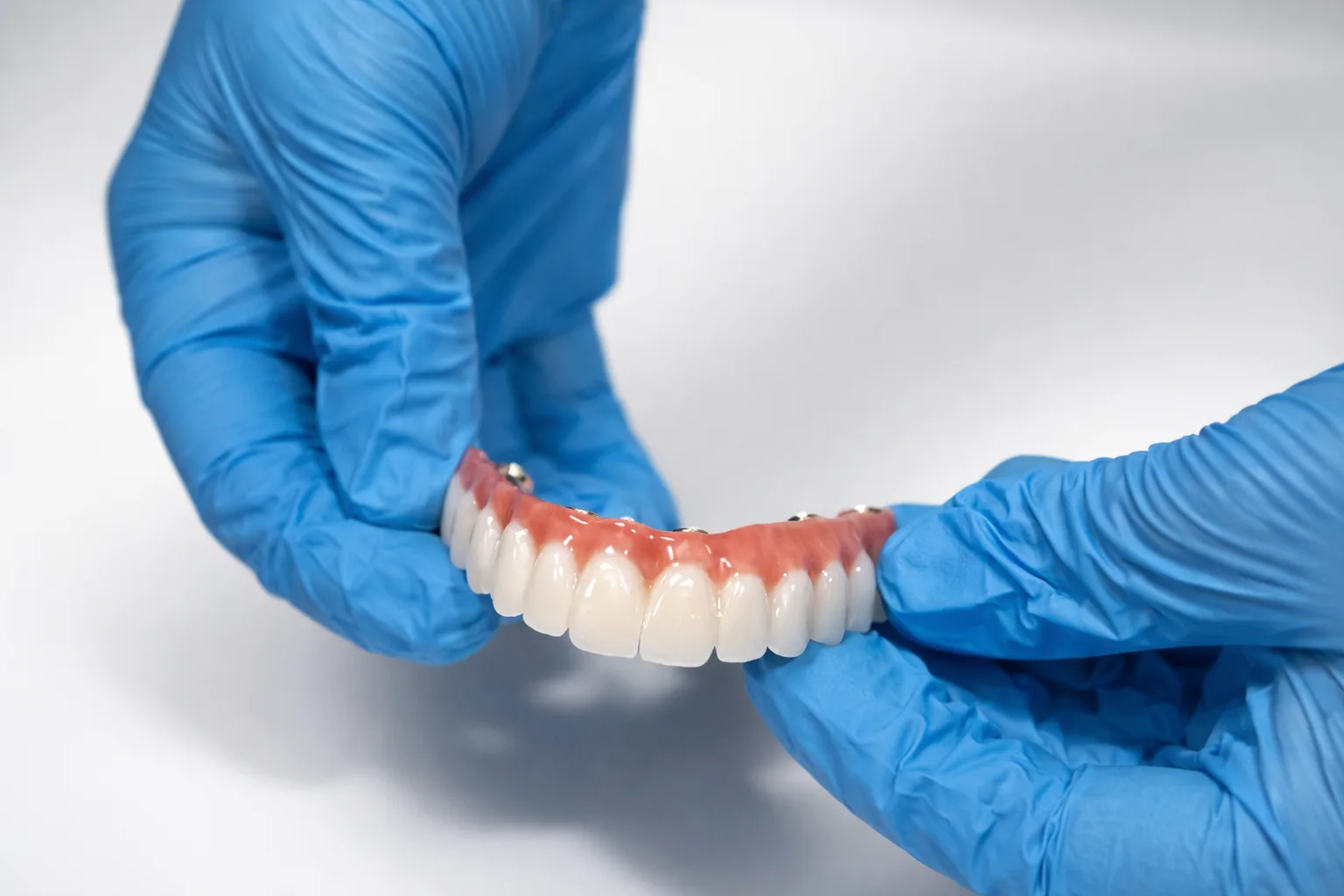
Your dentist evaluates readiness for the final crown, bridge, or full-arch restoration. Several months is common, but some cases need longer, especially with staged grafting or healing complications. A calendar date alone does not establish readiness.
Selected same-day implant patients receive temporary teeth while healing. Other plans may use a healing component or another provisional option. Ask about the backup plan if immediate loading is not safe.
| Stage | What it tells you | What it does not establish |
|---|---|---|
| Discomfort settles | Early recovery may be progressing | Permission to chew hard foods on the implant |
| Gum tissue closes | Soft tissue is healing | Complete bone integration |
| Follow-up assessment | The team can evaluate healing and stability | A guaranteed lifetime outcome |
| Final teeth are placed | The planned restoration phase is complete | An end to maintenance visits |

Recovery Tips That Make a Real Difference
- Sleep elevated for the first three nights to reduce swelling
- Stay hydrated within any fluid restrictions your medical team has given you
- Discuss tobacco and alcohol with your team; a short recovery milestone is not permission to resume smoking
- Resume exercise on the schedule your clinician recommends
- Stick to follow-ups — short check-ins catch any issue early
When to Call Your Dentist
Most recoveries are smooth. Call promptly if you notice:
- Increasing (rather than decreasing) pain after day three
- Persistent bleeding beyond 24 hours
- Fever, chills, or a hot, hard area near the implant
- An implant that feels loose
Prompt assessment can help, but it cannot guarantee prevention of complications. Seek emergency medical care for breathing or swallowing difficulty, rapidly spreading swelling, or uncontrolled bleeding. Read more about warning signs and pain in week two.
The FDA explains that implant healing can take several months or longer. For grafted sites, the Cleveland Clinic bone-graft guide distinguishes initial recovery from deeper bone healing.
Frequently Asked Questions
How long does it take to recover from dental implant surgery?
Early comfort may improve over days to weeks, while bone healing takes months or longer. Your procedure and follow-up findings determine your timeline.
When can I eat normally after dental implants?
Follow your surgical team's loading and food instructions. Temporary teeth may require restrictions beyond early gum healing; do not use lack of pain as permission to resume hard foods.
Is dental implant recovery painful?
Discomfort varies. Follow the agreed pain-control plan and report persistent or worsening symptoms rather than increasing medicines on your own.
Schedule your free consultation today
About Fusion Dental Implants: We specialize in advanced dental implant solutions with locations in Roseville and El Dorado Hills, California.
Ready to Transform Your Smile?
Schedule your free consultation today and discover how dental implants can change your life.