Find a center
Fusion Dental Implants - Same-Day Dental Implant Specialists in Northern California
Veneers dental care

Cosmetic Dentistry

Veneers in Roseville & El Dorado Hills

Explore cosmetic options for the shape, color, and appearance of your teeth.

Request a free consultation

  1. Step 1
  2. Step 2

Your contact details and preferred office.

Y
4.9

Planning veneers care

Discuss your goals

Explore cosmetic options for the shape, color, and appearance of your teeth.

Individual assessment

Your dentist can discuss findings and recommend care based on your needs.

Understand your options

Ask about alternatives, next steps, and expected costs before deciding.

Your veneers visit

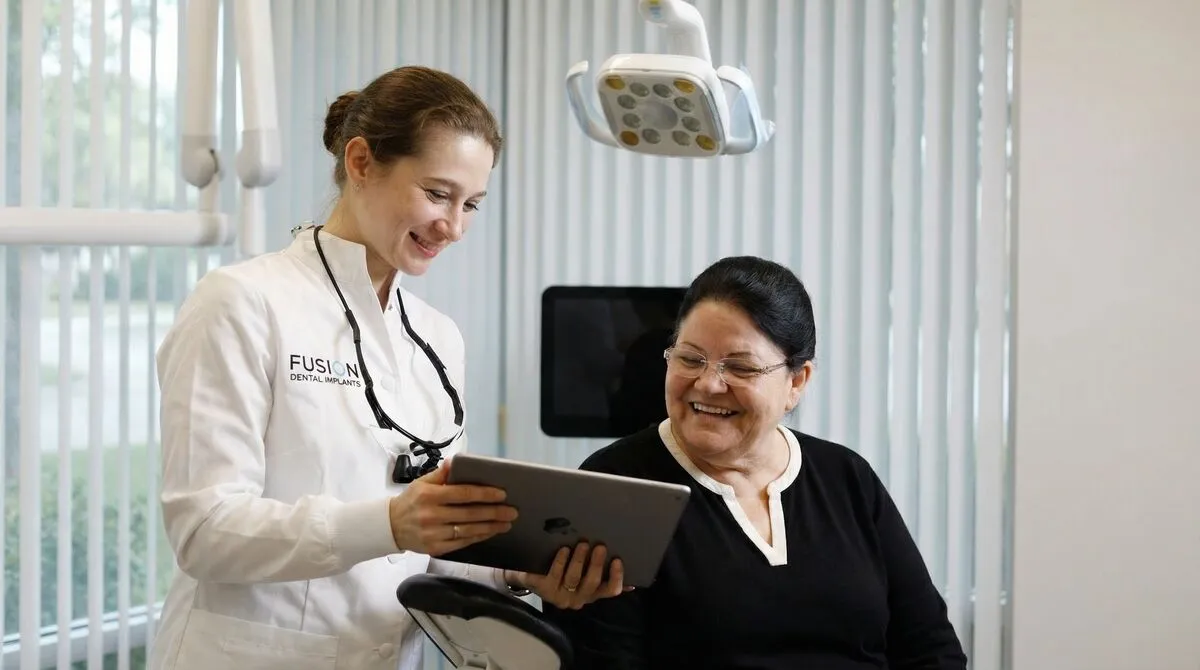
Dental consultation at Fusion Dental Implants

Explore cosmetic options for the shape, color, and appearance of your teeth.

*Terms and conditions apply to our lifetime warranty.

Is veneers right for you?

A visit may help if:

  • You have questions about veneers
  • You want to discuss your oral health and care options

Discuss other needs if:

  • You have concerns that require a different type of dental assessment
  • Your dentist recommends another approach based on your examination

Your care team can explain what is appropriate for your individual needs.

Insurance Accepted

We work with most major insurance providers to help maximize your benefits.

Aetna dental insurance accepted at Fusion Dental
Cigna dental insurance accepted at Fusion Dental
Delta Dental dental insurance accepted at Fusion Dental
MetLife dental insurance accepted at Fusion Dental
United Healthcare dental insurance accepted at Fusion Dental
Blue Cross Blue Shield dental insurance accepted at Fusion Dental
Guardian dental insurance accepted at Fusion Dental
Humana dental insurance accepted at Fusion Dental

No insurance? No problem. Ask about our affordable payment plans.

Fusion Dental Implants

Veneers with you in mind

Explore cosmetic options for the shape, color, and appearance of your teeth. Our general dental care is offered at our two Fusion Dental Implants centers.

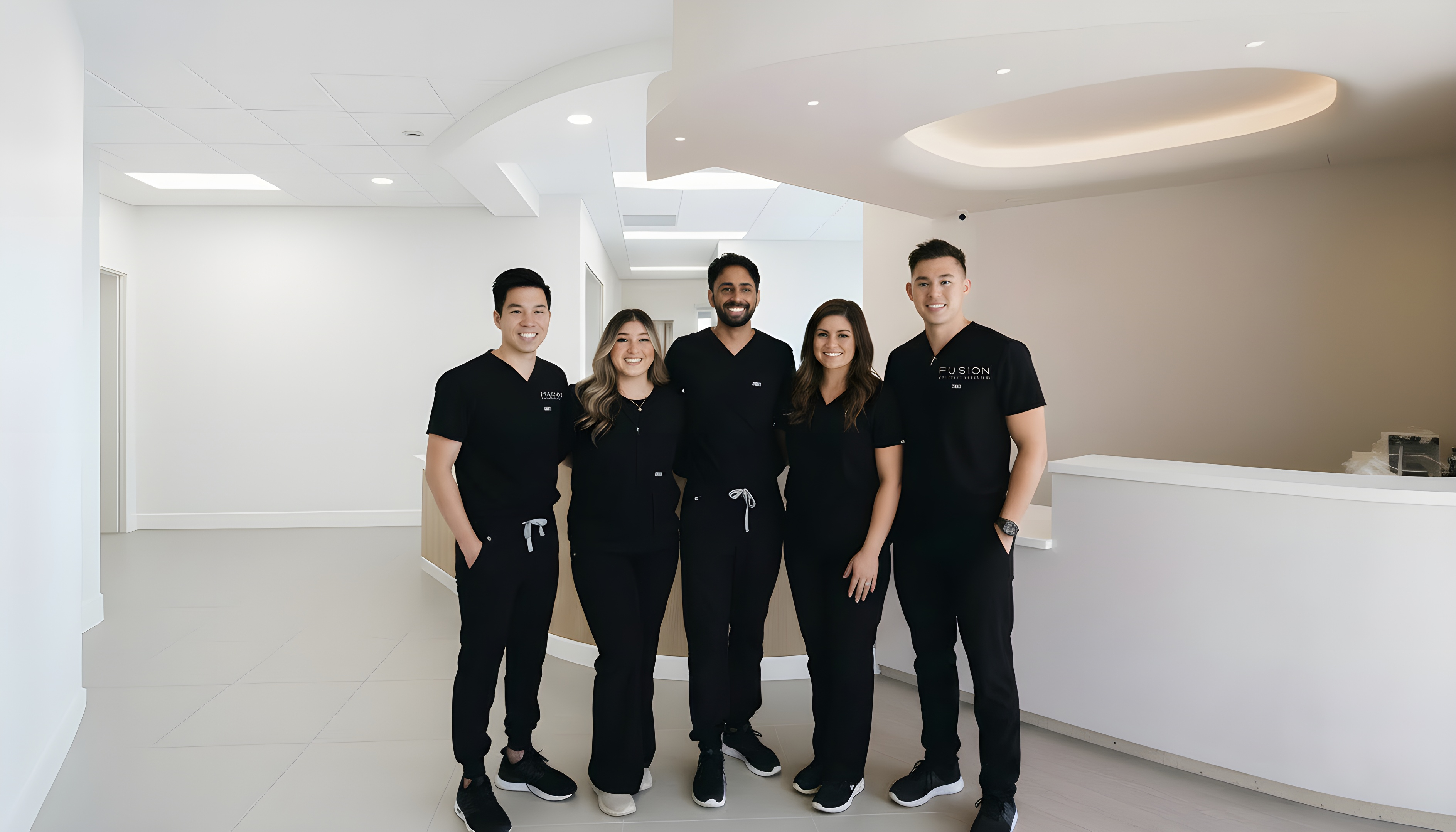
Fusion Dental Implants care team

Start with candidacy

Veneers change the visible surface of a tooth, but they do not treat decay or active gum disease. A dentist can examine your teeth, gums, bite, and existing restorations before recommending a cosmetic approach. Mention grinding, clenching, or a tooth that feels sensitive, because those details can affect whether veneers are appropriate or whether another concern should be addressed first.

Veneers dental care

Shape and shade

Bring examples of what you like about your smile and point out specific teeth whose shape, color, or spacing bothers you. Ask which changes veneers could realistically make for your teeth and whether whitening or another treatment might better fit your goals. Shade choices should be discussed alongside your surrounding teeth, since a veneer will not change color in the same way natural enamel can.

Reception area at Fusion Dental Implants

Understand preparation

Some veneer approaches require removing a small amount of enamel to make room for the restoration, while the preparation depends on the individual tooth and plan. Ask which teeth would be treated, whether changes are reversible, and what happens between preparation and the final restoration. Understanding these steps matters because a prepared tooth may need ongoing restoration care in the future.

Dental consultation at Fusion Dental Implants

Plan for upkeep

Veneers still need daily brushing, cleaning between teeth, and regular assessment of the surrounding gums and tooth structure. Tell your dentist if you clench, grind, bite your nails, or use your teeth to open packages; these habits can increase the risk of damage. Ask how to handle a chip or loose veneer and what ongoing maintenance may look like for your particular restorations.

About Us

Veneers at Fusion Dental Implants

Dental veneers are a cosmetic option for changing the visible front surfaces of selected teeth. Patients may ask about color, chips, shape, or gaps, but similar-looking concerns can have different causes and treatment options. At Fusion Dental Implants centers in Roseville and El Dorado Hills, a veneer conversation should start with the change you hope to see and an assessment of oral health, not a promise of a particular result.

A dentist checks teeth and gums, considers the bite, and looks for decay, gum disease, or habits such as grinding that may affect a restoration. An individual tooth might be suited to bonding, whitening, alignment care, a crown, or no treatment rather than a veneer. A cosmetic change should not conceal a problem that needs treatment. Discuss which teeth would actually be treated and whether other teeth would look different afterward.

A veneer may involve preparing the natural tooth to make room for a thin restoration and allow appropriate bonding. Preparation can include enamel removal, and the decision may have lasting consequences for that tooth. Ask about the material being considered, the amount of preparation, and whether a temporary covering or more than one visit is involved in the proposed plan. Exact steps vary by case.

After placement, good brushing and cleaning between teeth still matter because the underlying teeth and gums remain vulnerable to decay or inflammation. Hard bites, using teeth as tools, or grinding can damage a restoration. Veneers may eventually chip, loosen, or need replacement. If a veneer feels different or a gum margin changes, have it examined instead of assuming it is only a cosmetic issue.

Costs depend on the number of teeth, materials, preparation, and any necessary dental care first. Ask for a discussion of alternatives and expected maintenance as well as a cost estimate based on your own plan. Veneers are not a substitute for treating gum disease or bite problems, and no specific appearance or longevity should be promised without an individual evaluation.

Color planning also matters when only some teeth will receive veneers. Natural teeth and restorations can respond differently to whitening, and a cosmetic plan may need to consider how treated and untreated teeth will look together. Discuss these choices before preparing any tooth, especially if your priorities could be met by less invasive care.

FAQ

Veneers questions

Answers to common questions about veneers.

What can dental veneers change about a smile?

Veneers are thin coverings bonded to the front surfaces of selected teeth to change their visible shape, color, or proportions. They can be considered for some chips, worn edges, spacing, or color concerns, but they do not treat every cause of an uneven smile.

A dentist first checks the teeth, gums, and bite and discusses what you want to change. Whitening, bonding, or orthodontic care may be reasonable alternatives depending on the concern. Ask to compare likely maintenance and whether natural tooth structure must be altered.

Am I a candidate for porcelain veneers?

Candidacy depends on the health of your teeth and gums, the amount of tooth structure available, and how your bite functions. Active decay or gum disease may need attention before cosmetic treatment. Clenching or grinding can affect the risk of damage, so mention those habits during your visit.

The dentist can explain whether a veneer is appropriate for each tooth or whether bonding, a crown, whitening, or alignment care would better address your goals. Suitability cannot be determined from a photograph alone.

Do veneers require removing enamel?

Some veneer approaches require removing a layer of enamel to make space and create a suitable bonding surface; the amount varies with the tooth and the proposed material. Even when preparation is described as minimal, do not assume it is reversible.

Ask exactly which teeth would be changed, how much preparation is expected, and what the teeth would need if a veneer were removed or replaced later. A dentist can review alternatives that may preserve more natural tooth structure when clinically appropriate.

How long do veneers last and how are they maintained?

Veneers are not permanent and may eventually need repair or replacement. Their lifespan depends on the material, bite forces, habits, oral hygiene, and changes in the underlying tooth or gums; no particular number of years can be promised.

Brush and clean between teeth, continue dental examinations, and avoid using your teeth as tools. Let your dentist know about grinding, a chipped veneer, sensitivity, or a change at the edge of a restoration so it can be assessed.

Can veneers replace whitening or straighten teeth?

Veneers can change the visible color and apparent shape of treated teeth, but they do not move teeth or address the causes of crowding or bite problems.

Whitening may be a more conservative option when the main concern is tooth color; orthodontic treatment may be appropriate when alignment or bite function matters. Bonding can sometimes address a smaller chip or shape concern.

Discuss your priorities with a dentist so you can compare preparation, future maintenance, and expected costs before choosing a cosmetic option.

What determines the cost of veneers?

The number of teeth treated, restorative material, preparation required, and any care needed before cosmetic work can affect the total. A single advertised per-tooth figure cannot describe an individual plan.

Veneers are often considered cosmetic, and insurance coverage varies by policy and reason for treatment; verify your own benefits rather than assuming coverage.

Ask for a treatment plan that separates preparatory care from veneer costs and includes information about follow-up and possible future replacement.

Have another question? Talk with our team.

Call (916) 292-9998
Patient Education

Learn about veneers

Understand your options and bring your questions to your dental visit.

Veneer candidacy and alternatives

A veneer changes the visible surface of a tooth; it does not treat the underlying reason for every cosmetic concern. A dentist can examine your gums, tooth structure, and bite and ask whether your priority is color, a chip, spacing, or shape.

Whitening, bonding, orthodontic care, and other restorations have different benefits and limitations. For example, aligners move teeth, while veneers cover selected surfaces.

Talk about preparation before agreeing to treatment. Some enamel may need to be removed, and treatment may commit a tooth to future maintenance or replacement. If grinding or gum disease is present, ask how it affects the plan.

Comparing the number of teeth involved in each option can also help you understand the long-term scope of care.

Living with veneers and planning maintenance

Veneers do not protect against cavities or gum disease. Brush with fluoride toothpaste, clean between teeth, and keep up with dental exams so the dentist can check restoration edges and surrounding tissues. Avoid chewing hard objects or using a restored tooth to open packaging.

Tell the dentist if you grind your teeth or notice a chip, a loose veneer, or new sensitivity.

Future repair or replacement may be necessary even with good care. Ask what the proposed material means for upkeep and how changing gum lines might affect appearance. Discuss costs over the life of the restoration, not just the placement visit.

If you notice an edge catching floss or a new spot of sensitivity, arrange an assessment rather than trying to repair it yourself.

Your Next Step

Explore your veneer options

Share what you would like to change about your smile and ask whether veneers fit your oral health.

A dental visit can help you compare cosmetic options and understand tooth preparation.

Patient consultation at Fusion Dental Implants
(916) 292-9998