Find a center
Fusion Dental Implants - Same-Day Dental Implant Specialists in Northern California
Wisdom teeth removal dental care

Wisdom Teeth Removal

Wisdom teeth removal in Roseville & El Dorado Hills

Find out whether your wisdom teeth need monitoring or treatment.

Request a free consultation

  1. Step 1
  2. Step 2

Your contact details and preferred office.

Y
4.9

Planning wisdom teeth removal care

Discuss your goals

Find out whether your wisdom teeth need monitoring or treatment.

Individual assessment

Your dentist can discuss findings and recommend care based on your needs.

Understand your options

Ask about alternatives, next steps, and expected costs before deciding.

Your wisdom teeth removal visit

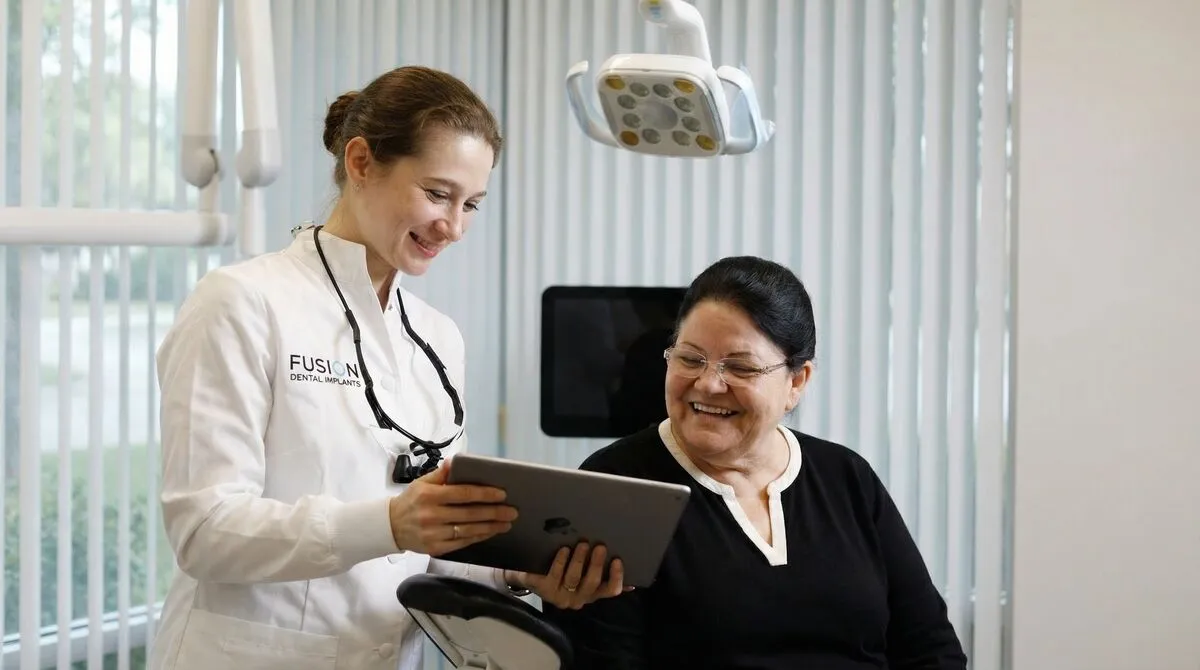
Dental consultation at Fusion Dental Implants

Find out whether your wisdom teeth need monitoring or treatment.

*Terms and conditions apply to our lifetime warranty.

Is wisdom teeth removal right for you?

A visit may help if:

  • You have questions about wisdom teeth removal
  • You want to discuss your oral health and care options

Discuss other needs if:

  • You have concerns that require a different type of dental assessment
  • Your dentist recommends another approach based on your examination

Your care team can explain what is appropriate for your individual needs.

Insurance Accepted

We work with most major insurance providers to help maximize your benefits.

Aetna dental insurance accepted at Fusion Dental
Cigna dental insurance accepted at Fusion Dental
Delta Dental dental insurance accepted at Fusion Dental
MetLife dental insurance accepted at Fusion Dental
United Healthcare dental insurance accepted at Fusion Dental
Blue Cross Blue Shield dental insurance accepted at Fusion Dental
Guardian dental insurance accepted at Fusion Dental
Humana dental insurance accepted at Fusion Dental

No insurance? No problem. Ask about our affordable payment plans.

Fusion Dental Implants

Wisdom teeth removal with you in mind

Find out whether your wisdom teeth need monitoring or treatment. Our general dental care is offered at our two Fusion Dental Implants centers.

Fusion Dental Implants care team

Check your wisdom teeth

Pain behind the back molars, swollen gums, or difficulty cleaning the area can be reasons to ask about wisdom teeth. Tell the dentist when symptoms began and whether they recur or affect chewing. An examination can assess the tooth and surrounding gum, then help determine whether the issue needs treatment or whether monitoring is reasonable.

Wisdom teeth removal dental care

Imaging when needed

A wisdom tooth can be partly visible or remain beneath the gum, so its position is not always clear from a quick look. When clinically indicated, imaging may help the dentist evaluate its angle and relationship to nearby teeth and structures. Ask what the images show in your case and how they affect a recommendation to monitor, treat, or consider removal.

Reception area at Fusion Dental Implants

Removal is not automatic

Not every wisdom tooth needs to come out. If a tooth is healthy, functional, and can be cleaned, the dentist may recommend watching it instead of removing it. Ask what findings would change that plan, how the area should be kept clean, and which symptoms, such as recurring swelling or pain, should prompt another assessment.

Dental consultation at Fusion Dental Implants

Plan for aftercare

If removal is recommended, ask what the procedure may involve for your particular tooth and what instructions apply afterward. Discuss expected eating and activity adjustments, how to keep the area clean, and which symptoms warrant a call. Arrange practical support if your individual plan calls for it, and follow the specific instructions you receive rather than assuming every extraction heals the same way.

About Us

Wisdom teeth removal at Fusion Dental Implants

Wisdom teeth are the last molars to develop, and not every wisdom tooth needs to come out. Some are healthy and can be monitored, while others may be difficult to clean, painful, decayed, or associated with inflammation. At our Fusion Dental Implants centers in Roseville and El Dorado Hills, a visit can help you understand what is happening with your own teeth rather than assuming removal is automatic.

A dentist reviews symptoms and history and examines the back teeth and gums. If needed, clinically indicated imaging can help show tooth position, roots, and their relationship to nearby structures. A tooth that is partly erupted may create a hard-to-clean area; another tooth may be fully erupted and symptom-free. The decision to monitor, treat, or arrange another assessment depends on those findings.

If removal is recommended, ask which tooth is causing the concern, why treatment is advised, and what alternatives or monitoring might mean. Procedure steps vary with tooth position and complexity. The treating clinician can explain the intended approach, possible risks, comfort planning, and any transportation needs. No particular extraction time or method is appropriate to promise without evaluating the case.

Aftercare matters as much as the procedure. The team should provide instructions on protecting the healing site, eating, cleaning, and medicines as appropriate to your care. Healing differs between people; ask which symptoms are expected and which warrant a call, particularly persistent bleeding, fever, or pain that gets worse rather than better.

Costs and coverage depend on the number and position of teeth, treatment complexity, and your insurance plan. Ask for an individualized explanation before scheduling removal. If you develop rapidly spreading swelling, breathing or swallowing difficulty, or bleeding that will not stop, seek emergency medical care instead of waiting for a dental appointment.

Tell the dentist if a wisdom tooth has caused repeated flare-ups, even if it feels better on the day of the exam. Bring information about previous imaging or treatment and any medication you take. That history may help distinguish a one-time concern from a recurring problem and clarify whether monitoring remains a reasonable choice. Mention whether nearby teeth are difficult to clean.

FAQ

Wisdom teeth removal questions

Answers to common questions about wisdom teeth removal.

Does everyone need wisdom teeth removed?

No. Wisdom teeth can sometimes stay in place if they are healthy, can be cleaned, and are not causing problems. A dentist assesses symptoms, tooth position, gum health, and any effect on nearby teeth to decide whether monitoring or treatment is appropriate.

Some teeth do not fully erupt, which can make cleaning or assessment more difficult. Ask what findings support a recommendation to remove a tooth and what risks or follow-up apply if it remains.

What symptoms suggest a wisdom tooth problem?

Pain near the back of the jaw, swollen gums, difficulty cleaning around a partly erupted tooth, bad taste, or recurring inflammation are reasons to request an assessment. These symptoms can have more than one cause, so the dentist may examine the area and recommend imaging when clinically indicated.

Tell the team if you have fever or worsening swelling. For difficulty breathing or swallowing, rapidly spreading facial swelling, or uncontrolled bleeding, seek emergency medical care immediately.

How does a dentist decide whether removal is appropriate?

The dentist looks at your symptoms, the health and position of the wisdom tooth, gum tissue, and nearby teeth. Imaging may be useful to understand the roots and surrounding structures before recommending an approach.

Removal might be discussed for infection, decay, damage to an adjacent tooth, or other clinical concerns; observation may be reasonable in other cases. Ask why treatment is being suggested now, what monitoring would involve, and whether a referral or additional evaluation is appropriate.

What happens during wisdom teeth removal?

The procedure varies with the tooth's position and how fully it has erupted. After evaluating your health and the tooth, the clinician can explain the planned technique, appropriate pain control, potential risks, and aftercare. Some cases may require a different approach or referral.

Do not assume all four wisdom teeth need removal together. Ask what you should do before the appointment, whether you will need transportation, and which symptoms afterward would warrant a call.

What is recovery like after a wisdom tooth extraction?

Soreness, swelling, and changes in eating may occur, but recovery differs by procedure and person. Follow the specific instructions your clinician provides about gauze, food, oral hygiene, activity, and medicines.

Protect the healing area as directed rather than relying on a general internet timetable. Call your dental team about bleeding that continues, worsening pain after initial improvement, fever, or other concerning changes.

Trouble breathing, rapidly spreading swelling, or uncontrolled bleeding requires emergency medical care.

How much does wisdom teeth removal cost?

Costs depend on the position and number of teeth, the complexity of removal, the clinician's plan, and any care needed before or after the procedure. Imaging or comfort measures, if recommended, may affect an individual estimate. Insurance benefits vary by policy and service.

Ask for a written explanation of the proposed treatment and expected costs after an examination rather than assuming one published price or that the exam is included for every patient.

Have another question? Talk with our team.

Call (916) 292-9998
Patient Education

Learn about wisdom teeth removal

Understand your options and bring your questions to your dental visit.

Why a wisdom tooth may be watched or removed

A dentist does not recommend removal solely because a third molar exists. Symptoms, decay, repeated gum inflammation, ability to clean the area, and effects on nearby teeth all matter.

An exam and, when indicated, imaging can help clarify tooth position and whether the tooth is likely to cause a specific concern.

Monitoring can be appropriate for a healthy tooth in some circumstances, with follow-up if symptoms change. If removal is recommended, ask which clinical findings support it and whether the proposed approach involves additional planning or referral.

Tell the dentist if food catches behind the molar or if the gum repeatedly swells. Understanding what would change a monitoring plan makes later decisions easier. Ask how you can clean the area in the meantime and what new symptoms should prompt a call.

Preparing for removal and recovery

Before a planned extraction, tell the treating clinician about medications, health conditions, and previous problems with dental procedures. Ask what eating and transportation instructions apply to the proposed treatment. The position of the tooth can influence the procedure and aftercare.

Follow your individualized instructions for bleeding control, food, cleaning, and activity after removal. Contact the team if pain worsens after initial improvement, fever develops, or bleeding persists.

Difficulty breathing or swallowing, rapidly spreading swelling, or uncontrolled bleeding requires emergency medical care. Ask beforehand who to contact with aftercare questions and when follow-up might be needed. Do not rely on a general online recovery timeline in place of your own instructions.

Follow the clinician's guidance about medication, including when to seek advice before changing it.

Your Next Step

Ask about your wisdom teeth

Discuss symptoms or concerns and find out whether monitoring or treatment is appropriate.

An assessment can guide the next step; removal is not automatic.

Patient consultation at Fusion Dental Implants
(916) 292-9998