Find a center
Fusion Dental Implants - Same-Day Dental Implant Specialists in Northern California
Children's dentistry dental care

Pediatric Dentistry

Children's dentistry in Roseville & El Dorado Hills

Help children build healthy habits with age-appropriate dental visits.

Request a free consultation

  1. Step 1
  2. Step 2

Your contact details and preferred office.

Y
4.9

Planning children's dentistry care

Discuss your goals

Help children build healthy habits with age-appropriate dental visits.

Individual assessment

Your dentist can discuss findings and recommend care based on your needs.

Understand your options

Ask about alternatives, next steps, and expected costs before deciding.

Your children's dentistry visit

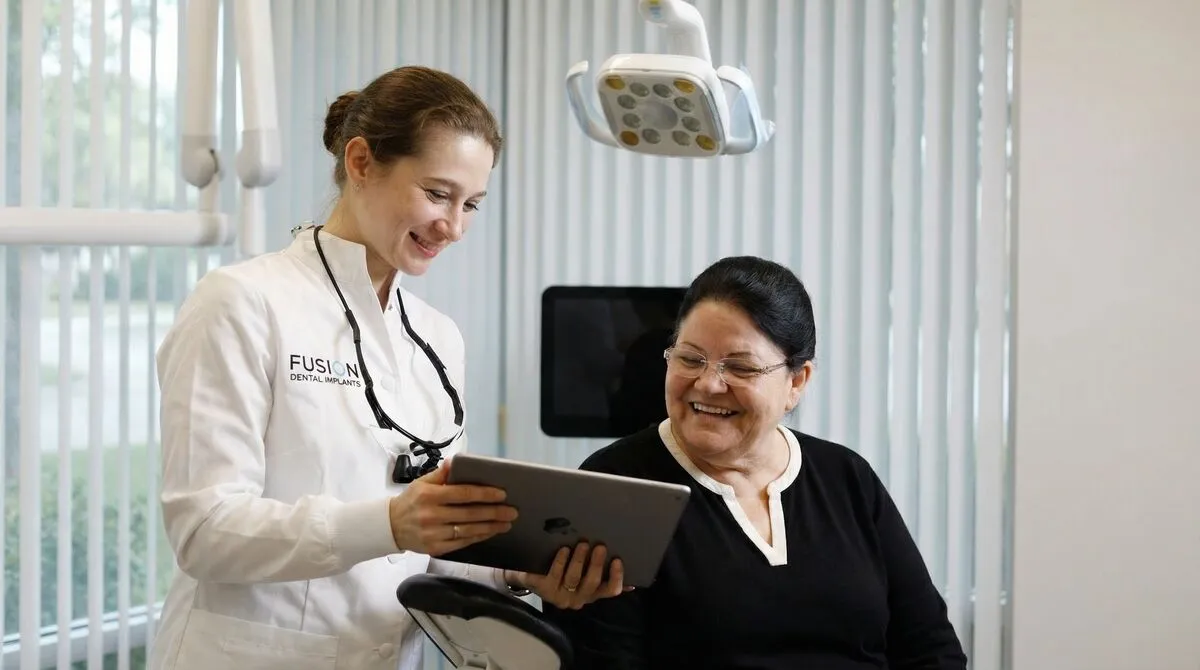
Dental consultation at Fusion Dental Implants

Help children build healthy habits with age-appropriate dental visits.

*Terms and conditions apply to our lifetime warranty.

Is children's dentistry right for you?

A visit may help if:

  • You have questions about children's dentistry
  • You want to discuss your oral health and care options

Discuss other needs if:

  • You have concerns that require a different type of dental assessment
  • Your dentist recommends another approach based on your examination

Your care team can explain what is appropriate for your individual needs.

Insurance Accepted

We work with most major insurance providers to help maximize your benefits.

Aetna dental insurance accepted at Fusion Dental
Cigna dental insurance accepted at Fusion Dental
Delta Dental dental insurance accepted at Fusion Dental
MetLife dental insurance accepted at Fusion Dental
United Healthcare dental insurance accepted at Fusion Dental
Blue Cross Blue Shield dental insurance accepted at Fusion Dental
Guardian dental insurance accepted at Fusion Dental
Humana dental insurance accepted at Fusion Dental

No insurance? No problem. Ask about our affordable payment plans.

Fusion Dental Implants

Children's dentistry with you in mind

Help children build healthy habits with age-appropriate dental visits. Our general dental care is offered at our two Fusion Dental Implants centers.

Fusion Dental Implants care team

A visit for your child

When arranging a dental visit, share your child's age, medical history, medications, and any tooth pain or past dental experiences. Tell the team about a loose tooth, an injury, or a spot you are concerned about rather than waiting for a routine checkup. Ask how to prepare your child for the appointment and whether there are records you should bring.

Children's dentistry dental care

Growing smiles

Baby teeth help children chew and speak and hold space as adult teeth develop, so changes in them deserve attention. An age-appropriate exam can look for cavities, gum concerns, and questions about how the bite is developing. Let the dentist know if your child has trouble chewing, persistent mouth breathing, or a tooth that erupted in an unexpected position.

Reception area at Fusion Dental Implants

Home habits

Ask how much fluoride toothpaste is appropriate for your child's age and when an adult should help with brushing and flossing. Frequent sweet drinks or snacks can increase cavity risk, even when a child brushes regularly. A visit is a good time to review what your child actually eats and drinks, where brushing is difficult, and a practical home routine you can maintain.

Dental consultation at Fusion Dental Implants

Comfort matters

Let the dental team know if your child is worried about sounds, unfamiliar people, or a previous difficult visit. Explain the appointment in simple, reassuring terms without promising that nothing will feel uncomfortable. Ask what an age-appropriate examination involves and how you can support your child during the visit, especially if they have sensory needs or difficulty sitting still.

About Us

Children's dentistry at Fusion Dental Implants

Children's dentistry supports oral health from the first teeth through the teenage years. General dental care for families is available within our Fusion Dental Implants centers in Roseville and El Dorado Hills. When contacting the office, tell the team your child's age, any pain or dental concerns, and whether this is a first visit. Those details help plan an age-appropriate appointment.

A child's exam can include a look at teeth, gums, and bite as well as a conversation about brushing and eating habits. The dentist considers the child's development and individual risk when discussing cleaning, imaging, or other preventive care. An early visit can also help caregivers understand what changes are expected as teeth come in and when a new symptom needs attention.

Home care changes as a child grows. Caregivers typically need to help young children brush with an age-appropriate amount of fluoride toothpaste and assist with cleaning between teeth when they touch. Ask the dentist about snacks, drinks, thumb-sucking, and practical ways to make a routine manageable. Baby teeth are important even though they are temporary; decay or injury in them can cause pain and deserves assessment.

Some children feel anxious, especially if they do not know what to expect. Share any previous experience or sensory concern with the team and ask how the visit will be explained. If a child needs treatment, the dentist should discuss the findings, possible approaches, and what follow-up is appropriate. Not every child needs the same preventive services or treatment schedule.

For a toothache, facial swelling, or injury, call to discuss symptoms and available appointments. A knocked-out permanent tooth needs prompt advice; a baby tooth should not be replanted. If there is breathing difficulty, rapidly spreading swelling, or uncontrolled bleeding, seek emergency medical care. Ask about expected costs and insurance coverage for care recommended after your child's assessment.

Children's dental needs change with age. Ask when newly erupted permanent molars should be checked, whether cleaning around crowded teeth needs extra attention, and how to approach independent brushing as your child grows. An age-appropriate plan can be reviewed over time rather than assuming advice from an earlier visit still fits.

FAQ

Children's dentistry questions

Answers to common questions about children's dentistry.

When should my child have a first dental visit?

The American Academy of Pediatric Dentistry recommends a first dental visit by age one or within six months of the first tooth coming in.

An early appointment gives a dentist a chance to look at developing teeth and gums and gives caregivers a place to ask about brushing, fluoride, feeding, and habits. If your child is older and has not yet visited, you can still begin now.

Tell the office your child's age and any symptoms or previous dental experiences when you call.

What happens during a child's dental exam?

A children's visit is adapted to the child's age and comfort. The dentist may examine teeth, gums, and bite, look for signs of decay, and talk with the caregiver about brushing, nutrition, and oral habits.

A cleaning or imaging is recommended according to the child's clinical needs, not automatically with every first visit. If a concern is found, ask what options are available, whether treatment can be monitored, and how to help your child prepare for any follow-up.

How can I help a child who is nervous about the dentist?

Let the team know about your child's worries or a difficult past experience before scheduling. Describe the visit in calm, simple language rather than promising that nothing will feel unusual. It may help to let the child ask questions and bring a familiar comfort item if appropriate.

The dentist can explain what is planned and discuss how to approach the appointment. If a child needs care beyond what is appropriate at the visit, ask about next steps rather than forcing treatment.

How should I care for baby teeth?

Baby teeth matter for chewing, speech, and holding space as permanent teeth develop. Help your child brush with a fluoride toothpaste amount appropriate to their age and clean between touching teeth as advised by their dentist. Frequent sugary drinks and snacks increase cavity risk.

A dentist can discuss the timing of tooth eruption, any visible spots, and the right home-care approach for your child. Pain, swelling, or a broken baby tooth deserves a dental assessment.

Does my child need dental X-rays or sealants?

Neither is automatic for every child. X-rays may be recommended when the dentist needs information that cannot be seen on an examination, taking age, history, and risk into account.

Sealants may help protect the chewing surfaces of suitable back teeth when indicated; the dentist can explain which teeth and why. Ask about the expected benefits, limitations, and follow-up of any recommendation.

Home brushing and regular assessment are still important whether or not sealants are used.

What if my child has a toothache or a dental injury?

Call a dentist promptly to describe pain, swelling, bleeding, or a damaged tooth and your child's age. Do not assume a baby tooth can be ignored because it will eventually fall out.

For a knocked-out permanent tooth, handle it by the crown, keep it moist if it cannot be gently repositioned, and seek urgent dental advice. Do not reinsert a knocked-out baby tooth. For breathing trouble, rapidly spreading swelling, or bleeding that will not stop, seek emergency medical care.

Have another question? Talk with our team.

Call (916) 292-9998
Patient Education

Learn about children's dentistry

Understand your options and bring your questions to your dental visit.

The first visit and growing teeth

A first dental visit lets a family ask questions before a problem becomes painful. The dentist can look at tooth development, discuss brushing and fluoride, and identify any area that needs closer attention.

The American Academy of Pediatric Dentistry recommends a visit by the first birthday or within six months of the first tooth appearing; if that point has passed, it is still worthwhile to arrange a visit.

Bring information about your child's health and medications, and mention pain, sensitivity, past care, or anxiety. Ask what changes to expect as baby teeth give way to permanent teeth. Imaging and preventive treatments are recommended according to individual findings.

If your child is hesitant, let the dentist explain each step in language your child can understand.

Prevention at home for children and teens

Young children usually need hands-on help with brushing. Use an age-appropriate amount of fluoride toothpaste, supervise so they do not swallow it, and ask when to start cleaning between teeth.

As children grow, keep talking about snacks, drinks, and routines rather than assuming independent brushing is effective.

A dentist can suggest whether additional preventive care is useful after considering cavity risk and developing teeth. Pain, visible spots, or bleeding gums are reasons to ask for an evaluation. Teens with orthodontic appliances may need extra help cleaning around them.

If brushing has become a struggle, ask for a practical routine and a demonstration that suits your child's age. Talk about whether your child's drinks or frequent snacks may be contributing to cavity risk.

Your Next Step

Plan a visit for your child

Share your child's age and any dental or comfort concerns when requesting an appointment.

The team can help you plan an appropriate family dental visit.

Patient consultation at Fusion Dental Implants
(916) 292-9998