Preparing for dental implant surgery well is the single biggest thing you can control in the outcome: confirm your candidacy with a 3D scan, follow a short pre-surgery checklist, and choose a board-certified specialist. At Fusion Dental Implants in Roseville and El Dorado Hills, our oral surgeons walk you through every step, with single implants from $1,850 and full-arch treatment from $17,999 per arch.
This is general information, not medical advice. Your candidacy and preparation plan depend on your health, medications, and anatomy, which your surgeon reviews at a consultation.
Who Qualifies: How Candidacy Is Actually Decided
Most adults with missing or failing teeth are candidates, and the evaluation is more objective than people expect. Three things matter:
Bone. The implant needs enough jawbone to anchor into. A CBCT scan produces a 3D map of your bone thickness and density, plus the exact location of nerves and sinus cavities, so this question is answered with measurements, not guesswork. Our guide to 3D imaging and implant planning explains what the scan shows.
Gums. Healthy gum tissue protects the surgical site from infection. Active gum disease gets treated first, not ignored.
General health. Controlled diabetes, managed autoimmune conditions, and most medications do not disqualify you; they shape the plan. What matters is that your surgeon knows about them, so bring a complete medication list to the consultation.
Smoking deserves a straight answer: nicotine restricts blood flow to the healing site and slows osseointegration, the process where bone fuses to the implant. It is a risk factor, not always a refusal. Reducing or pausing around surgery improves your odds, and honesty at the consultation matters more than a perfect record.
If You Have Bone Loss
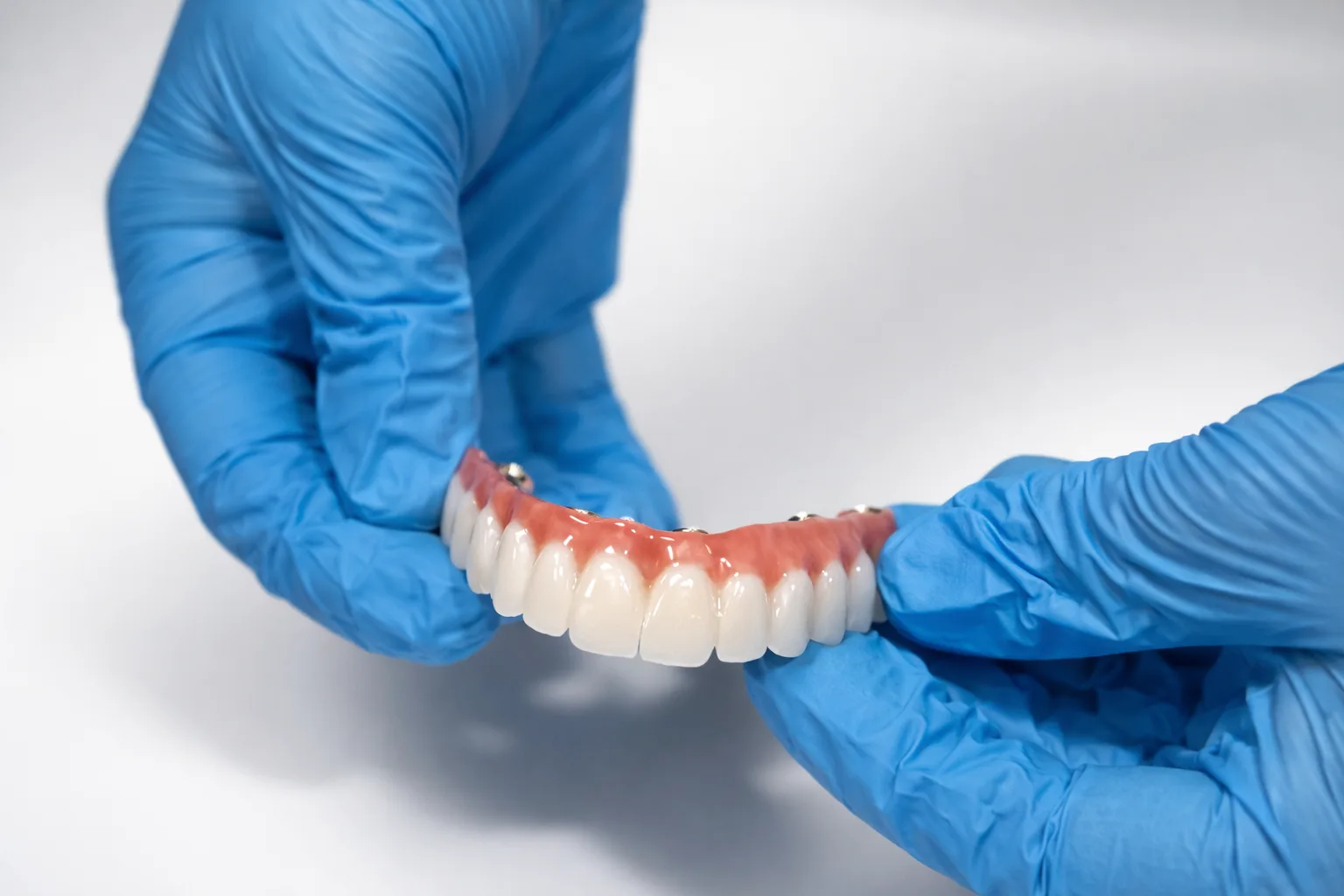
Being told you "don't have enough bone" is the start of a conversation, not the end of one. Bone grafting rebuilds thinned sites, a sinus lift creates room in the upper jaw, and for full-arch cases the All-on-4 technique angles the rear implants into the densest remaining bone, often avoiding grafting even after years of denture wear.
Your Pre-Surgery Checklist
The week before surgery is about removing friction from surgery day:
- Confirm medication instructions. Your surgeon will tell you what to pause, what to keep taking, and when. Do not make these calls yourself.
- Arrange your ride. IV sedation means you cannot drive afterward. Line up a friend or family member for the trip home.
- Fast if sedated. IV sedation requires several hours without food or drink beforehand; you will get exact timing in your instructions.
- Stock the kitchen. Protein smoothies, Greek yogurt, lukewarm soups, scrambled eggs, mashed potatoes. You want a week of soft options ready so chewing never stresses the site.
- Set up a recovery spot. Extra pillows to keep your head elevated, cold compresses in the freezer, and your prescriptions filled in advance.
- Plan your time off. One to three days covers most cases. Booking surgery late in the week lets the weekend do the heavy lifting.
What Surgery Day Feels Like
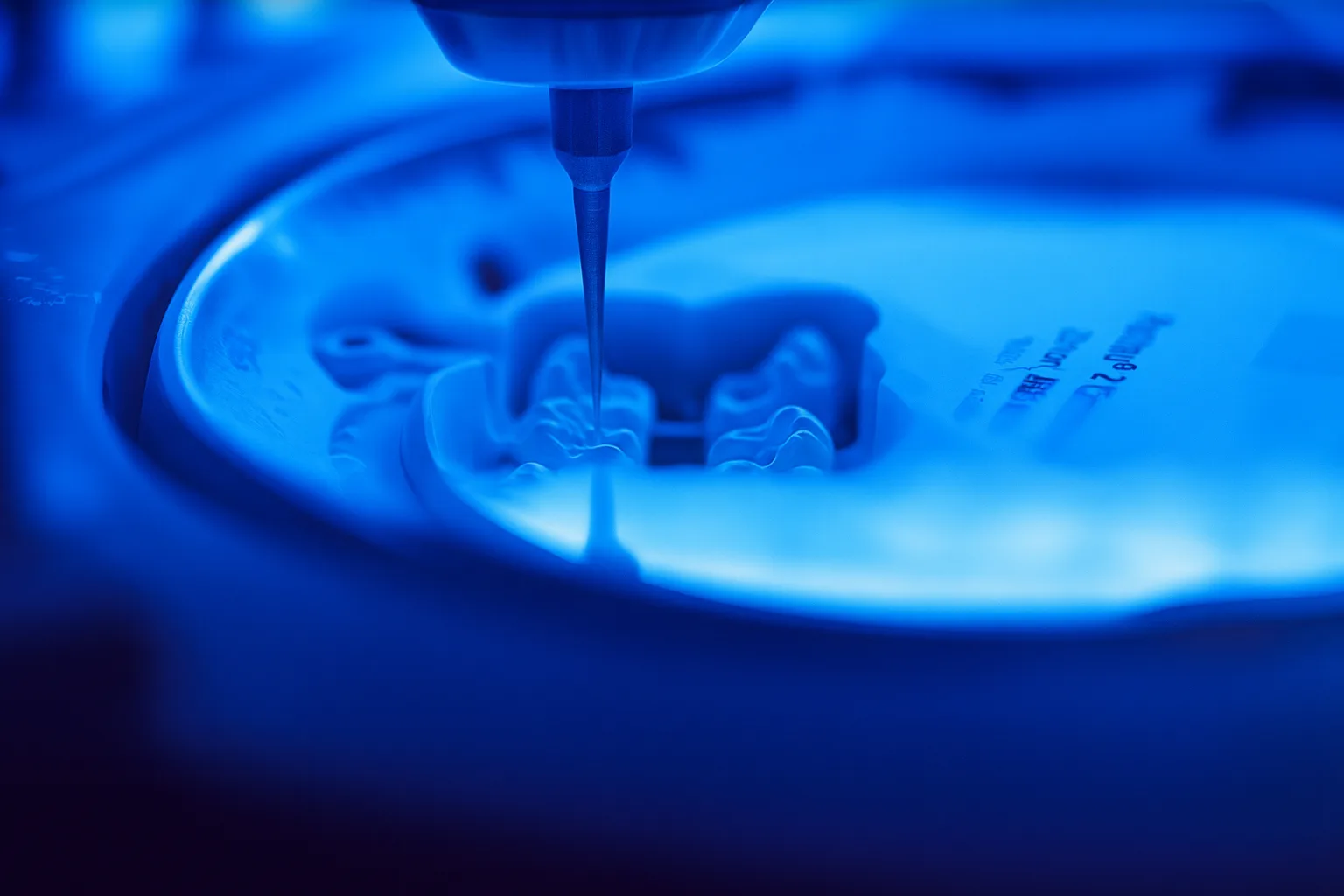
For most patients, the day itself is the easiest part of the whole process. With IV sedation you settle into a deeply relaxed state, the area is fully numbed, and the placement itself is guided by the 3D plan built from your scan, so the surgeon knows the exact position, depth, and angle before starting. Most patients report feeling pressure at most and remember little of the appointment. Our overview of sedation options for implant surgery covers the choices, from local-only to full IV sedation.
Depending on your case, you may leave with a healing cap over the implant or, for qualifying full-arch patients, a fixed temporary bridge the same day. The step-by-step mechanics, from placement through osseointegration to the final crown, are covered in our complete procedure guide.
The First 48 Hours
Mild swelling and a dull ache through the first day or two are normal signs of healing. Stay ahead of discomfort by following your medication protocol on schedule rather than waiting for pain, use cold compresses in 20-minute intervals on day one, and keep your head elevated when resting. Skip straws and crunchy food; both can disturb the clot protecting the site. Call your surgeon if pain increases sharply after day three or if you run a fever. The full week-by-week picture is in our recovery timeline guide.
Vetting Your Surgeon: Five Questions That Matter
Implant placement is surgery, and preparation includes choosing who does it. At your consultation, ask:
- How many procedures like mine did you perform in the last year?
- Are you board certified, and in what specialty?
- What sedation options do you offer, and who monitors me during surgery?
- Is planning done with 3D CBCT imaging and a surgical guide?
- Who makes the final prosthetic, and what happens if something needs adjusting?
A dedicated specialist answers all five easily. Hesitation on any of them is information. Our article on why a dedicated implant practice matters goes deeper on the generalist-versus-specialist question.
Specialist Preparation in Roseville and El Dorado Hills
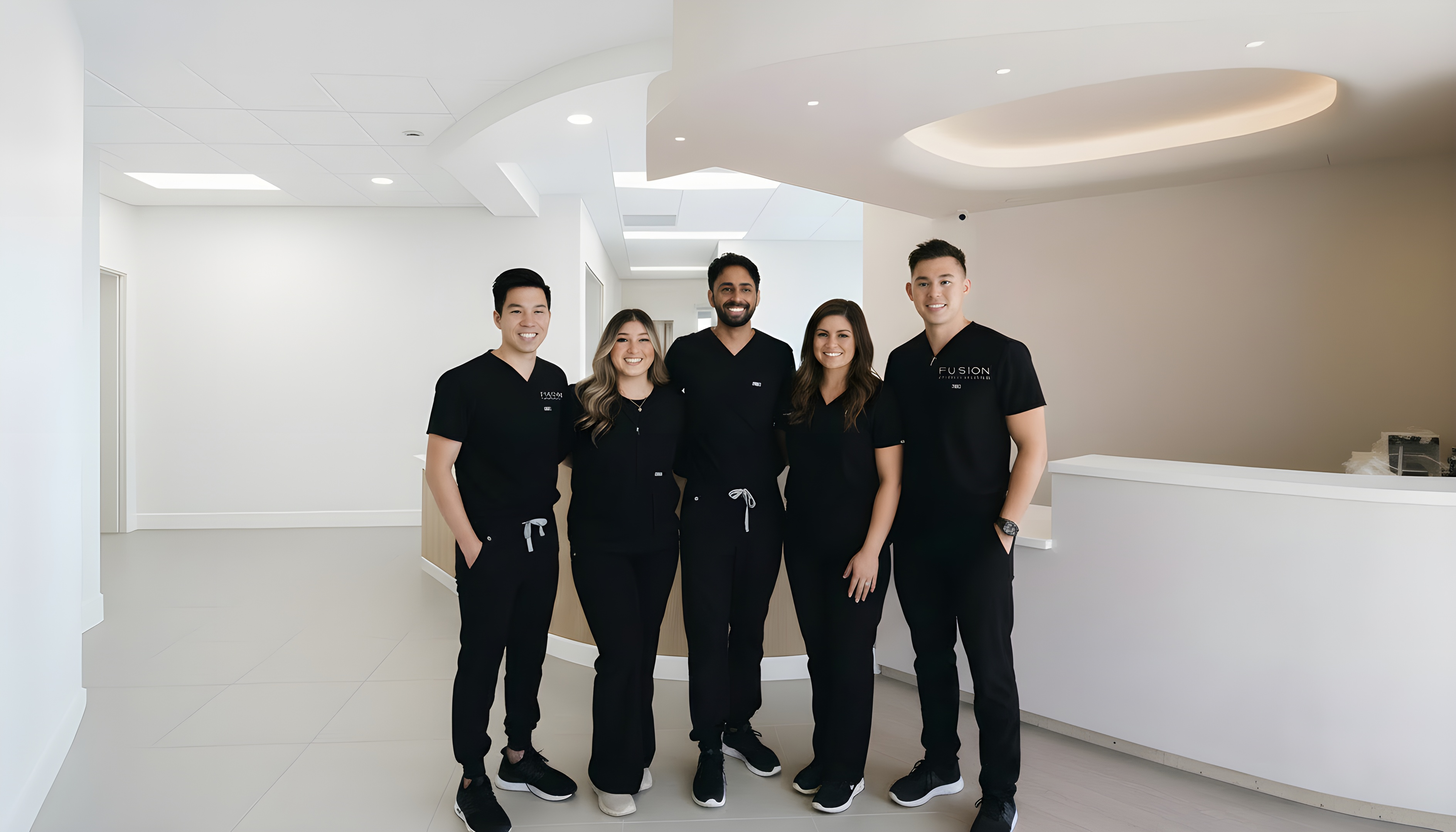
At Fusion Dental Implants, implants are all we do. Board-certified oral surgeons handle your case from the first CBCT scan through the final prosthetic, in-house, with IV sedation available for every procedure. Single implants start at $1,850 and full-arch treatment at $17,999 per arch, backed by our price match guarantee. We serve Sacramento and all of Northern California from offices in Roseville and El Dorado Hills. For neutral background reading, the FDA's overview of dental implants is a good place to start.
Schedule your free consultation or call (916) 292-9998, and we will map out exactly what preparing for dental implant surgery looks like for your case.
Frequently Asked Questions
How do I know if I qualify for dental implant surgery?
Candidacy comes down to three things: enough jawbone to anchor the implant, healthy gum tissue, and overall health that supports healing. A CBCT 3D scan answers the bone question definitively. Conditions like controlled diabetes rarely disqualify you; they just require a tailored plan.
Can I get implants if I have been told I have bone loss?
Usually, yes. Bone grafting and sinus lifts can rebuild a thinned site, and for full-arch cases the All-on-4 technique angles the rear implants into the densest remaining bone, often avoiding grafting entirely. A 3D scan shows which path fits your anatomy.
Do I need to stop smoking before implant surgery?
Nicotine slows healing by restricting blood flow to the surgical site, so pausing or reducing smoking around surgery meaningfully improves your odds. It is not always an automatic disqualifier. Be honest about your habits at the consultation so the plan accounts for them.
How should I prepare the week before surgery?
Confirm your medication instructions with the surgeon, arrange a driver if you are having IV sedation, stock your kitchen with soft foods like yogurt, eggs, and soup, and set up a rest spot with extra pillows and cold compresses. If sedation is planned, you will also fast for several hours beforehand.
Will I be awake during the procedure?
With IV sedation you remain in a deeply relaxed state and most patients remember little or nothing of the appointment. Local anesthetic numbs the area completely, so you feel pressure at most. Lighter options like oral sedation or local-only are available for straightforward single-implant cases.
How much time should I take off work?
Most patients take one to three days off. A single straightforward implant may only need a day, while full-arch surgery deserves a longer rest window to manage swelling. Scheduling surgery late in the week lets the weekend absorb most of the recovery.
What are the warning signs to watch for after surgery?
Mild swelling and a dull ache for the first 24 to 48 hours are normal. Call your surgeon if pain suddenly increases after day three, if you develop a fever, or if bleeding does not settle. Early check-ins are easy fixes; ignored symptoms are not.
What questions should I ask before choosing an implant surgeon?
Ask how many procedures like yours they performed in the past year, whether they are board certified, what sedation options they offer, whether planning uses 3D CBCT imaging, and who handles the prosthetic work. A specialist will answer all five without hesitation.
About Fusion Dental Implants: We specialize in advanced dental implant solutions with locations in Roseville and El Dorado Hills, California, serving the Sacramento region and all of Northern California. Call (916) 292-9998 to schedule your free consultation.