
Immediate Load Full Arch Dental Implants: A Patient’s Buying Guide
Immediate-load full-arch treatment attaches a provisional restoration soon after implant placement when clinical conditions allow. It is different from simply placing an implant immediately after extraction. Compare eligibility criteria, a backup staged plan, and the final restoration—not speed alone.
What if the right full-arch plan isn’t the one that promises teeth fastest? With immediate load full arch dental implants, timing depends on clinical factors, including whether the implants are stable enough to support temporary teeth during healing. It’s understandable to want a clear timeline and to wonder whether those first teeth are the final restoration. They may not be.
This guide explains what immediate loading means, how an implant surgeon assesses candidacy, and what to compare when reviewing a full-arch treatment plan. You’ll learn how bone condition, implant stability, healing, and practical considerations can shape the recommendation, and how temporary teeth differ from the final restoration. At Fusion Dental Implants, a personalized surgical assessment helps guide the discussion of your options. Immediate loading is a clinical decision, not a same-day promise, and your plan should reflect your individual needs. Understanding the process and the questions that matter can help you weigh your choices with confidence.
The path at a glance: Assessment → Review alternatives → Agree on a personalized plan → Treatment when appropriate → Follow-up and maintenance
Key Takeaways
- Compare immediate-load and staged plans by timing, provisional teeth, clinical requirements, and follow-up, not speed alone.
- Use a step-by-step checklist to understand the assessment, the recommended restoration, and the reasons for the proposed approach.
- When considering immediate load full arch dental implants, discuss how your jaw anatomy, oral health, and medical history may shape your plan.
- Keep same-day procedures and immediate loading distinct. One does not guarantee the other for every patient.
- Fusion Dental Implants provides full-arch care with board-certified surgeons, serving communities including Sacramento and Roseville.
What Immediate Load Full-Arch Dental Implants Mean in Practice
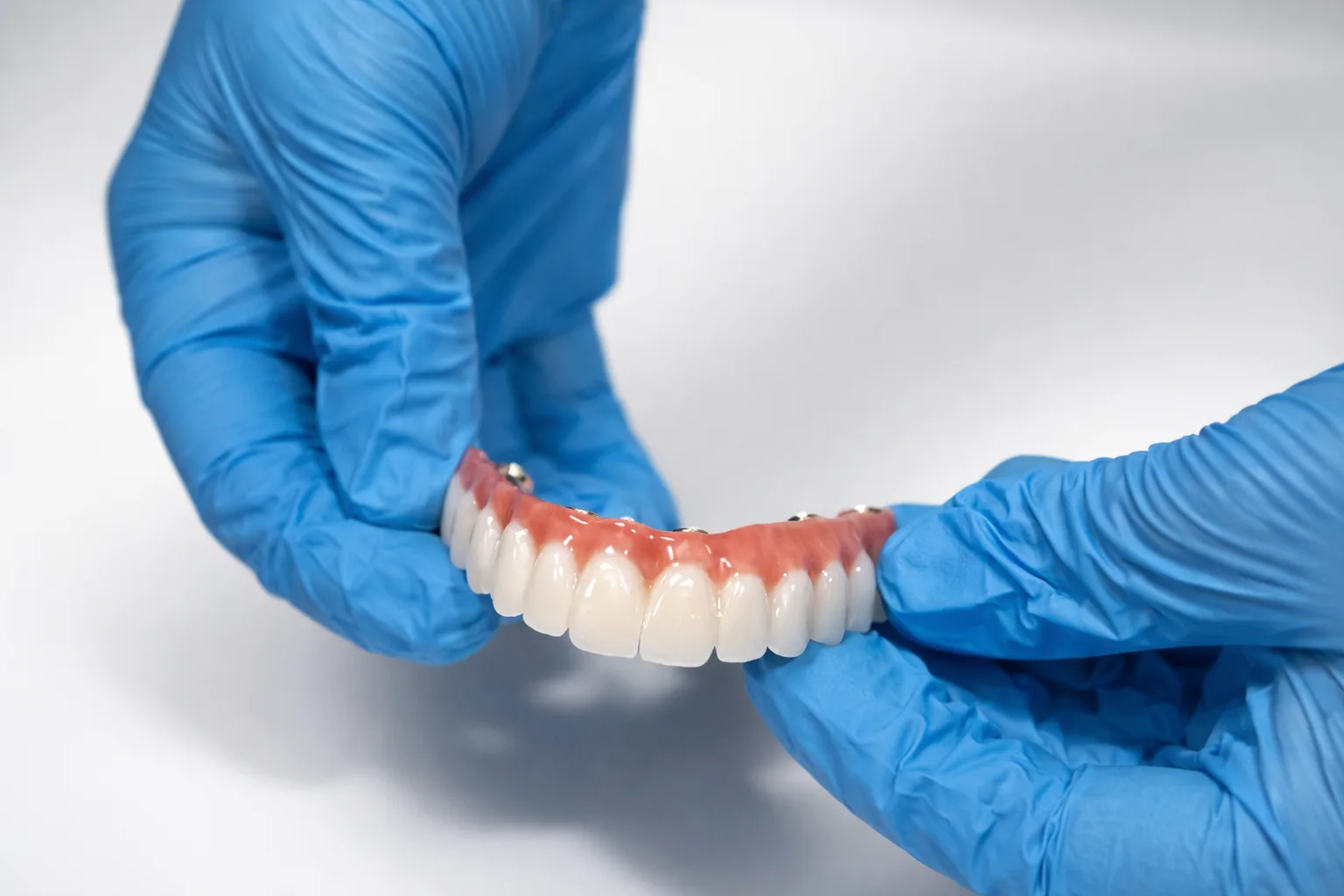
Immediate loading means attaching a provisional, or temporary, full-arch restoration to dental implants soon after placement, when the clinical plan allows. This may provide teeth during treatment, but it doesn’t mean the final prosthesis is ready or that every patient can receive teeth right away. Your surgeon’s assessment and treatment plan determine whether loading is appropriate and how the restoration stages fit together.
For immediate load full arch dental implants, “immediate” describes when the provisional restoration is connected to the implants. It doesn’t promise a particular delivery date, a permanent restoration on the day of surgery, or the same protocol for every patient. Implant stability is one consideration in loading decisions. The general Dental implant overview discusses implant placement and loading concepts, but your surgeon applies those concepts to your anatomy and treatment plan.
Immediate loading versus immediate implant placement
These terms describe different decisions. Placement is about when an implant enters the jaw, such as at the time a tooth is removed. Loading is about when a restoration is attached to an implant. One doesn’t automatically determine the other.
This simplified sequence shows how the decisions relate:
- Placement: The implant is positioned in the jaw, either following a tooth removal or at another planned stage.
- Loading decision: The surgeon evaluates whether the implant and treatment conditions support attaching a provisional restoration soon after placement, or whether a staged approach is more suitable.
- Restoration planning: The provisional and definitive restoration stages are planned for the individual case.
An implant placed immediately after extraction isn’t automatically loaded immediately. Likewise, immediate loading refers to the provisional restoration, not an assurance that permanent teeth will be delivered at the same time.
Provisional teeth versus the definitive full-arch restoration
A provisional restoration is a temporary part of the treatment plan. It is distinct from the definitive, or final, full-arch prosthesis. A plan may include both stages so treatment can progress and the case can be evaluated before moving to the final restoration. The sequence depends on clinical judgment and healing considerations.
Ask the surgeon to explain each stage in plain language: which restoration is provisional, what happens before the definitive prosthesis, and what follow-up is planned. The final restoration’s timing, design, and material depend on your clinical plan. Knowing the difference helps set realistic expectations and avoids confusing early access to provisional teeth with completion of treatment.
Who May Qualify for Immediate-Load Full-Arch Implants?
No checklist can determine candidacy on its own. Your scans, oral health, bite, and medical history need to be considered together, so two people seeking the same treatment may receive different recommendations. The implant surgeon’s individual assessment determines whether immediate loading is appropriate. It’s a clinical decision, not a benefit every patient can expect.
For someone considering immediate load full arch dental implants, the assessment looks beyond whether implants can be placed. The surgeon also evaluates whether the proposed plan can support the intended loading approach. A recommendation for a staged timeline doesn’t mean you have failed an eligibility test. It may be the more suitable way to plan care around your circumstances.
Clinical factors the surgeon evaluates
An examination and imaging help the surgeon assess jaw anatomy and the proposed implant sites. These findings contribute to planning and evaluating stability at placement. The surgeon also considers oral health, how the teeth meet when biting, and relevant medical history. No single finding should be treated as automatic approval or exclusion without considering the full clinical picture.
- Jaw anatomy: The surgeon reviews the available bone and planned implant positions.
- Implant stability: Stability is assessed to determine whether the provisional restoration can be supported as planned.
- Oral health: The condition of your mouth can inform preparation and the overall treatment plan.
- Bite and medical history: Bite forces, health conditions, and medications may be relevant to planning and follow-up.
These factors work together. Imaging helps map the proposed sites, while the examination and health history add context that a scan alone can’t provide. Ask which findings matter in your case and how they shape the recommendation. If a clinical term is unfamiliar, ask the surgeon to explain it in everyday language.
When a staged approach may be discussed
If the surgeon believes the clinical conditions don’t support immediate loading, they may recommend delaying attachment of a provisional restoration or staging treatment in another way. The reasons depend on your case and should be explained alongside the proposed next steps. A staged plan is an individualized care decision, not a treatment failure or a judgment about your commitment.
There’s no promise that a staged plan will later change to immediate loading. The appropriate timeline depends on clinical reassessment and the treatment plan, not simply on waiting a set period. Understanding the reason for the recommendation can help you compare options without feeling pressured to choose the fastest-sounding approach.
At a surgical assessment, ask what the examination and imaging show, how your health history affects planning, and why the surgeon recommends one loading approach over another. Patients in Roseville can explore full-arch implant care with Fusion Dental Implants, where a personalized assessment guides the discussion of treatment options.
How to Compare Immediate-Load and Staged Full-Arch Treatment Plans
A useful comparison looks beyond which plan appears faster. Immediate loading may place a provisional restoration soon after implant placement when the clinical plan supports it. A staged approach delays loading according to the surgeon’s plan. Neither label tells you everything about treatment. Your clinical findings, restoration stages, follow-up, and maintenance all matter.
Use the comparison below to organize the discussion. It outlines broad differences, not a personal recommendation or promised schedule. Your treatment plan should explain the specific steps and timing.
| What to compare | Immediate-loading plan | Staged-loading plan |
|---|---|---|
| Timing | A provisional restoration may be attached soon after implant placement if the surgeon determines the plan permits it. | Implants are placed, and loading is planned for a later stage according to the clinical plan. |
| Provisional restoration | The plan may include a provisional restoration early in treatment. It is distinct from the definitive restoration. | A provisional restoration may be included at a later stage, or the plan may use another approach during treatment. |
| Clinical requirements | The surgeon evaluates whether the clinical conditions support the proposed loading approach. | The surgeon recommends a staged sequence when it better fits the findings and treatment needs. |
| Follow-up | Follow-up is planned around the restoration, healing considerations, and ongoing care. | Follow-up supports the staged process, assessment, and transition between treatment stages. |
Compare the treatment sequence, not just the calendar
For immediate loading, the broad sequence is assessment, implant placement, and, when appropriate, attachment of a provisional restoration. In a staged plan, assessment and placement are followed by a planned interval before loading. The reason for that interval and the next clinical step should be individualized, not assumed from a generic schedule.
A provisional phase that begins sooner doesn’t mean assessment, healing considerations, or follow-up are skipped. Ask what findings support the sequence, what could affect the plan, and how progress will be reviewed. Speed alone isn’t a clinical reason to choose one approach over another.
Compare the provisional and long-term restoration plan
Make sure you understand which restoration is provisional and which is definitive, what stage each belongs to, and how the plan addresses follow-up and maintenance. With immediate load full arch dental implants, early placement of a provisional restoration doesn’t mean the definitive prosthesis is ready or that treatment is complete.
Compare the documented plans side by side. Look for a clear explanation of the treatment sequence, the reason for the recommended loading approach, the expected restoration stages, and planned follow-up. Ask the surgeon to clarify how any detail applies to your case. A personalized plan should explain not only what happens next, but why that sequence is recommended.
A Patient Checklist for Evaluating an Immediate-Load Full-Arch Plan
A clear treatment proposal should explain not only what is planned, but why. Bring these steps to your consultation and take notes. If an explanation feels too technical, ask the surgeon to put it in everyday language. Understand the reasoning behind immediate loading or a staged alternative before deciding how to proceed.
Questions to bring to the consultation
Use the checklist in order, from the information behind the plan to the care that follows. The answers should relate to your examination and individual needs, not only to a general description of immediate-load treatment.
- Assessment: What examination and imaging inform the proposed full-arch plan? Which findings about my jaw and planned implant sites are most relevant? Is anything in my oral health or medical history affecting the recommendation?
- Candidacy explanation: Why do you recommend immediate loading or a staged approach for my case? Which clinical findings support that recommendation? What factors could affect the planned loading sequence?
- Restoration plan: Which teeth or restoration are provisional, and how are they different from the definitive prosthesis? What stages are included, and how will I know when it’s time to move from one stage to the next?
- Follow-up discussion: What follow-up and maintenance should I expect? If findings during treatment differ from expectations, what changes might be considered, and how would those changes be discussed with me?
How to understand the complete treatment proposal
Review the full sequence, not just the initial procedure or expected timing of provisional teeth. A useful proposal explains restoration stages, follow-up, and maintenance in clear terms. It should also describe how the team would discuss a change in plan if clinical findings differ from what was anticipated.
For immediate load full arch dental implants, ask the surgeon to connect each recommendation to your assessment. Instead of settling for “this is our usual approach,” ask what makes the proposed approach suitable for your findings. If a staged alternative is recommended, ask what it involves and why it fits your case. The goal isn’t to push for the fastest option. It’s to understand the clinical reasoning and complete care pathway.
Before deciding, make sure you can explain the plan in your own words: what is proposed, what remains provisional, what comes next, and how follow-up is handled. Write down unanswered questions and request clarification. Feeling informed can help you compare options with confidence and discuss your priorities openly.
If you’re considering full-arch treatment in Roseville, discuss your full-arch implant options with Fusion. A conversation about your goals and individual assessment can help you understand which approach may be appropriate for you.
Explore Full-Arch Implant Care with Fusion Dental Implants in California
Choosing full-arch implant treatment is a significant decision, and it’s reasonable to want clarity before moving forward. Fusion Dental Implants provides full-arch implant care with board-certified surgeons. A personalized surgical assessment helps shape the conversation about your goals, clinical findings, and possible treatment sequence, including whether immediate loading may be appropriate for your plan.
Fusion also provides same-day dental implant procedures, but “same-day” doesn’t guarantee immediate loading or teeth for every patient. These terms describe different aspects of care, and the recommendation depends on your clinical assessment. If you’re exploring immediate load full arch dental implants, the surgeon’s guidance can help distinguish what may be planned from what can be determined only through an individual evaluation.
A personalized consultation is the next decision point
A consultation gives you space to discuss what you hope to achieve and understand how the surgeon’s findings inform your options. Bring questions about the proposed loading approach, provisional and definitive restorations, and what could change the plan. You don’t need to arrive certain which option you want. The purpose is to understand the clinical reasoning and how the proposed treatment relates to your needs.
Clear explanations matter. Ask the surgeon to connect the recommendation to your examination and imaging, and to explain unfamiliar terms. If immediate loading isn’t recommended, ask what a staged plan involves and why it may fit your case. A thoughtful discussion can clarify the decisions ahead without assuming that the fastest-sounding timeline is right for you.
Plan your next step with a local implant team
Fusion serves patients in Roseville and nearby communities, including Sacramento and Rocklin, as well as El Dorado Hills, Loomis, Lincoln, and Elk Grove. Your care journey can begin with a discussion of your goals and the clinical assessment needed to develop a full-arch treatment plan. Treatment details are guided by your individual circumstances.
Planning includes practical considerations, too. Flexible financing options and a price-match guarantee are available as part of Fusion’s patient planning considerations. They don’t determine clinical candidacy or replace a surgeon’s recommendation, but can be discussed alongside the proposed treatment plan as you consider your next steps. No specific treatment cost is implied here.
Take time to understand the options, ask questions, and decide what feels right for your situation. Explore full-arch implant care with Fusion Dental Implants and discuss your goals with the team.
Move Forward With Questions That Matter to You
Choosing a full-arch treatment plan isn’t a race to the earliest possible restoration. It’s a decision about what suits your clinical needs and what you’re comfortable undertaking. As you consider immediate load full arch dental implants, take time to understand the recommendation and how each stage fits your priorities.
Before your next conversation, write down what matters most, whether that’s understanding the treatment sequence, knowing what to expect from each restoration, or feeling confident about the follow-up plan. Bring those priorities to your discussion with the surgeon. Clear answers can help you make a considered choice, even if the recommended plan differs from what you first expected.
Your next step can be a conversation, not a commitment to a particular timeline. Discuss your full-arch implant options with Fusion and explore a plan shaped around your needs.
Planning your next step
For implant benefits, risks, and follow-up, review the FDA dental implant guidance and the American Dental Association’s patient implant overview. These explain why individual assessment and ongoing care matter.
Understanding the advertised starting price
Fusion advertises single-tooth implants from $1,850 and full-arch treatment from $17,999 per arch. These are starting offers, not a personalized reconstruction quote or a price for both arches. Ask what your written plan includes and which additional procedures may change the total. Financing is available from $73/month for single-tooth treatment and $299/month for full-arch treatment, subject to approval and applicable terms. Review financing details and the price-match guarantee; confirm eligibility, total repayment, and exclusions before committing.
Fusion’s offices are in Roseville and El Dorado Hills. Use Find a Center to plan travel, and review the care team before your visit.
Request a free consultation to discuss a plan based on your examination.
Why patients choose Fusion: In-House Dental Lab | Same-Day New Teeth for Eligible Patients | Transparent All-Inclusive Pricing | Lifetime Full-Arch Warranty (terms apply) | Price Match Guarantee (terms apply)
This article is for general patient education and is not a substitute for personalized medical advice, diagnosis, or treatment. Every patient’s oral health, anatomy, and healing response are different. Consult your dental professional before making treatment decisions.
About Fusion Dental Implants: We specialize in advanced dental implant solutions with offices in Roseville and El Dorado Hills, California.
Related reading
Frequently Asked Questions
How many implants are typically used to support a full dental arch?
Four implants are used in some full-arch designs, including All-on-4, but that number isn’t right for every patient. The surgeon plans implant count and positioning around factors such as jaw anatomy, available bone, and the restoration being considered. A plan may call for a different number to support the arch. Ask how the proposed configuration is intended to support your restoration and what findings informed it.
Can immediate-load treatment be planned for both the upper and lower arches?
Yes, immediate loading may be considered for both arches, but each arch needs to be assessed as part of the overall plan. The surgeon may recommend different approaches or sequences for the upper and lower arches based on the clinical findings. A plan for one arch doesn’t automatically mean the other can be loaded the same way. Discuss how the proposed sequence affects treatment stages and follow-up.
How does smoking affect healing after full-arch implant surgery?
Smoking can make healing more challenging and may affect the surgeon’s assessment of treatment risks. Be open about smoking or nicotine use during your consultation, including how often you use it. That information helps the clinical team give guidance tailored to your situation and discuss whether it may affect timing or aftercare. Don’t change prescribed medication or start a cessation product without discussing it with your healthcare professional.
How much do immediate-load full-arch dental implants cost?
The cost depends on the treatment plan, including the surgical and restoration components and any additional procedures recommended for your case. For patients in Roseville, El Dorado Hills, Sacramento, Rocklin, Loomis, Lincoln, and Elk Grove, a written, itemized proposal can clarify what’s included and which stages are planned. Ask how provisional and definitive restorations, imaging, and follow-up are addressed. Fusion offers flexible financing options and a price-match guarantee; terms apply.
Does dental insurance cover immediate-load full-arch implants?
Coverage varies by plan, and a policy may treat implant surgery and the restoration differently. Review your benefits for exclusions, annual limits, waiting periods, and whether preauthorization is available. Ask for a written estimate that separates treatment components so you can compare it with your plan documents. Don’t assume that coverage for a related dental service means the full implant plan will be covered.
How long can full-arch dental implants last?
There isn’t a guaranteed lifespan for every patient or restoration. Long-term performance depends on individual health, oral hygiene, bite forces, and regular professional care. The implants and prosthetic teeth are separate components, and their maintenance or repair needs may differ. Ask your surgeon what signs to monitor and how often your specific restoration should be evaluated so concerns can be addressed promptly.
What maintenance do full-arch implant restorations require?
They require consistent home cleaning and professional follow-up. Your dental team can demonstrate how to clean around the restoration and recommend tools suited to its design. Keep scheduled checkups, and contact your dental team if you notice new discomfort, looseness, or a change in how your bite feels. Don’t wait for a routine visit if something changes; the team can advise what assessment is appropriate.
What if my implants are not stable enough for immediate loading?
Your surgeon may recommend a staged healing plan rather than attaching fixed provisional teeth immediately. Discuss that possibility before surgery, including temporary replacement options, timing, and any changes to the written estimate.
Ready to Transform Your Smile?
Schedule your free consultation today and discover how dental implants can change your life.