Bone Grafting for Dental Implants: What to Expect
One of the most common reasons patients are told they "can't get dental implants" is insufficient bone. But here's what many patients don't know: in the majority of cases, that's not a dead end — it's a detour. Bone grafting is a routine, well-established procedure that rebuilds the jawbone so implants can be placed successfully. At Fusion Dental Implants, serving patients across Roseville, El Dorado Hills, and the greater Sacramento region, bone grafting is a standard part of our comprehensive implant care.
Why Does Jawbone Volume Matter for Implants?
A dental implant is a titanium post placed directly into the jawbone. For the implant to be stable and successful long-term, there must be enough bone — in the right location — to surround, anchor, and eventually fuse to the implant through a process called osseointegration.
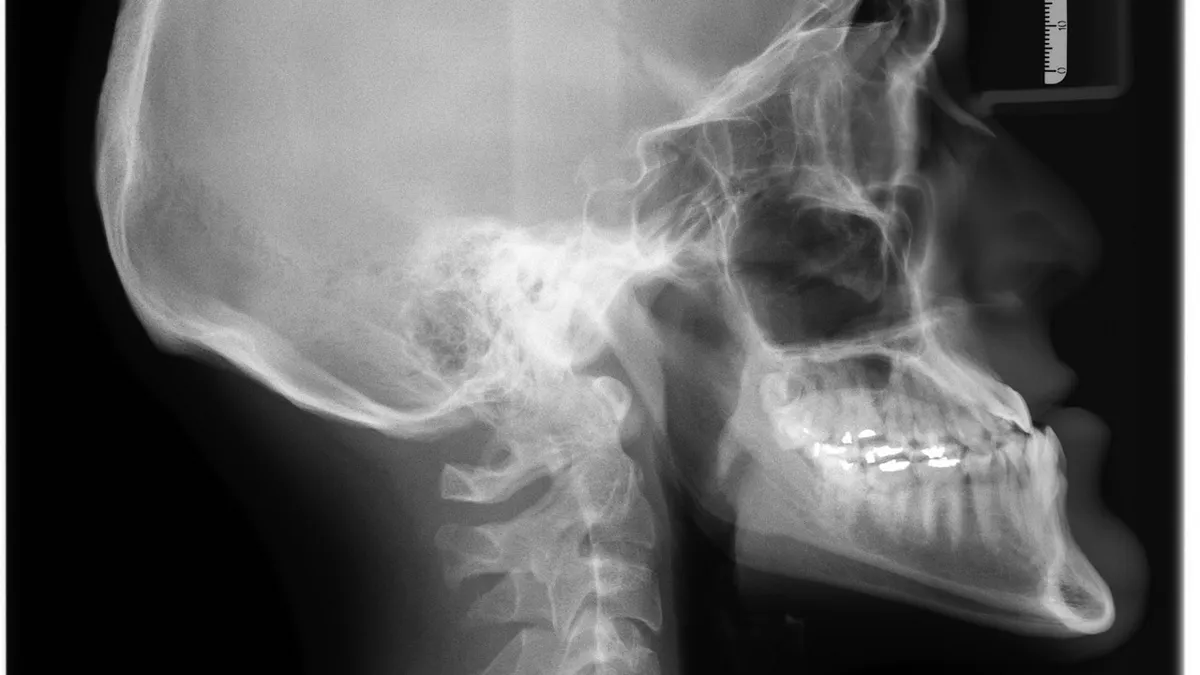
When a tooth is extracted or lost, the bone that surrounded that root begins to shrink almost immediately. This is called bone resorption. Without the stimulation of a tooth root, the body resorbs bone in the area — losing both height and width over time. The longer a tooth has been missing, the more bone has typically been lost.
This is one of the most important reasons not to delay implant treatment. The sooner a missing tooth is addressed, the more bone remains available — and the simpler the procedure.
What Is a Dental Bone Graft?
A dental bone graft involves placing bone material at the site where additional bone volume is needed. This material serves as a scaffold for your body to grow new bone — rebuilding the architecture needed to support an implant.
Types of Bone Graft Material
Autograft (your own bone): Bone harvested from another area of your body — often the chin, jaw, or hip. Considered the gold standard because it contains your own live bone cells. Less commonly used today due to the need for a second surgical site.
Allograft (donor bone): Processed, sterilized human donor bone. Widely used, well-documented, and eliminates the second surgical site. The most common type in modern implant dentistry.
Xenograft (animal-derived, typically bovine): Processed bovine bone mineral. Also widely used, with an excellent safety and efficacy record.
Alloplast (synthetic): Man-made bone substitute materials. Used in certain clinical situations.
At Fusion Dental Implants, we select graft material based on each patient's specific clinical needs and discuss options transparently at consultation.
Types of Bone Grafting Procedures
Socket Preservation (Extraction Site Graft)
When a tooth is extracted, bone graft material is immediately placed in the socket before it closes. This is the most common type of graft — performed at the time of extraction to preserve bone volume for future implant placement. It is highly effective at preventing the bone loss that would otherwise occur, and it simplifies the implant placement procedure months later.
Ridge Augmentation
When significant bone loss has already occurred — leaving the jaw ridge too narrow or too short to accommodate an implant — a larger graft procedure rebuilds the ridge. This may involve a membrane to guide bone regeneration and typically requires 4–6 months of healing before implant placement.
Sinus Lift (Sinus Augmentation)
In the upper jaw, the sinus cavities sit just above the molar and premolar roots. When bone below the sinus floor is insufficient for implants, a sinus lift procedure elevates the sinus membrane and places bone graft material in the space created — building up the bone height needed for safe implant placement.
Sinus lifts are extremely common in upper jaw implant cases and have a very high success rate when performed by experienced clinicians.
Do You Always Need a Bone Graft for Implants?
No. Many patients have adequate bone for implant placement without any grafting. A 3D cone beam CT scan at Fusion Dental Implants will give us a precise picture of your bone volume and tell us exactly what's needed — or not needed — in your case.
For full arch patients, All-on-4 and All-on-X techniques are specifically designed to work with available bone — placing implants at angles that reach denser bone regions and avoid sinuses and nerves. This is one of the reasons All-on-4 transformed full arch implant dentistry: it significantly reduced the number of patients requiring bone grafting for full arch restorations.
What Is the Bone Graft Process Like?
Bone grafting is typically performed under local anesthesia — the same numbing used for most dental procedures. Most patients describe the procedure as more comfortable than they expected.
Recovery: Mild swelling and soreness for several days is normal. Most patients return to normal activities within a few days. A soft food diet is recommended for 1–2 weeks.
Healing time: Bone grafts require time for new bone to grow — typically 3–6 months before implant placement. The timeline depends on the size and location of the graft.
At Fusion Dental Implants: Bone grafting and implant placement are performed by the same clinical team, in the same office, with fully coordinated treatment planning. You don't need to visit multiple specialists.
Cost of Bone Grafting in the Sacramento Region
| Procedure | Estimated Cost |
|---|---|
| Socket preservation (simple) | $300 – $800 per site |
| Ridge augmentation | $1,500 – $3,000+ |
| Sinus lift (lateral approach) | $2,000 – $5,000 per side |
| Sinus lift (crestal, minimally invasive) | $1,000 – $2,500 per side |
These costs are in addition to implant placement costs. At Fusion Dental Implants, bone grafting costs — if needed — are clearly itemized in your treatment plan before any procedure begins.
Fusion Dental Implants — Roseville & El Dorado Hills, CA (916) 292-9998 | fusiondentalimplants.com
Frequently Asked Questions
Do I need a bone graft before dental implants?
Not always. A 3D imaging evaluation at Fusion Dental Implants will determine whether you have adequate bone for implant placement. Many patients do not need grafting. All-on-4 techniques often avoid grafting even in patients with some bone loss.
What is a dental bone graft?
A bone graft rebuilds jawbone volume lost after tooth loss, creating the foundation needed for dental implant placement. It uses natural, donor, or synthetic bone material that your body integrates over several months.
How long does bone graft healing take before implants?
Most bone grafts require 3–6 months of healing before implant placement. The timeline varies based on graft size and location.
Can I get implants if I have bone loss?
In many cases, yes — either with bone grafting or through techniques like All-on-4 that are specifically designed for patients with some bone loss. Call (916) 292-9998 for a free evaluation at Fusion Dental Implants in Roseville or El Dorado Hills.
Ready to Transform Your Smile?
Schedule your free consultation today and discover how dental implants can change your life.