
Veneers: Comparing Porcelain, Composite, and More Conservative Options
Veneers are thin restorations placed on the visible surfaces of teeth to change their appearance. They can address selected shape, color, and spacing concerns, but do not treat every bite problem or replace missing teeth. Many veneer preparations remove enamel, so the decision deserves careful discussion.
On this page
Start with healthy teeth and clear goals
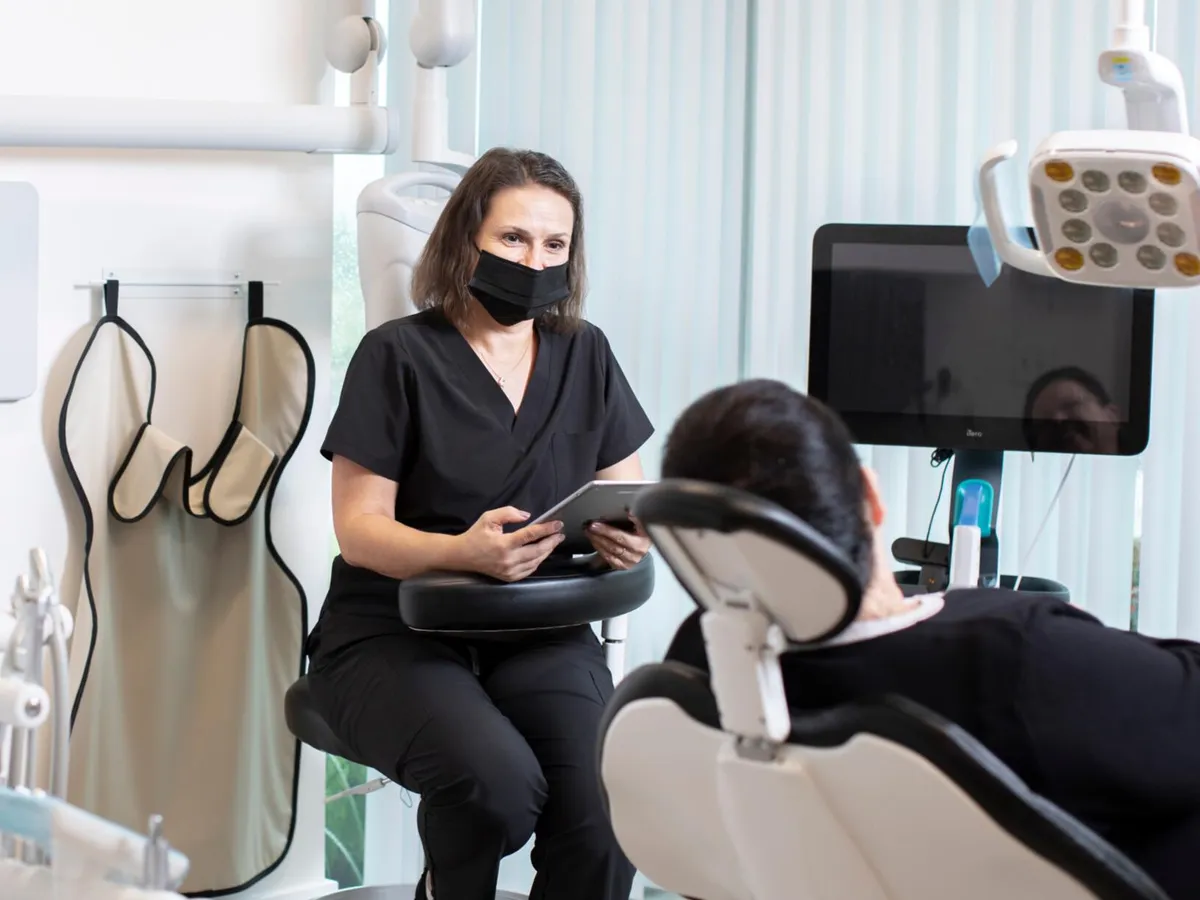
Explain what you want to change: a chipped edge, uneven shape, a dark tooth, or the overall appearance of your smile. Cavities, gum inflammation, and uncontrolled grinding should be assessed before cosmetic treatment. A healthy tooth may need only a small repair rather than a full veneer.
The ADA veneer overview explains the options and importance of dental supervision. Do not allow an unlicensed provider to prepare teeth or place permanent cosmetic restorations. A smile preview can help communicate goals, but is not a guaranteed outcome.
Compare procedures with different purposes
| Option | Main purpose | Important trade-off |
|---|---|---|
| Whitening | Lighten natural tooth color | Does not change shape or existing restorations |
| Composite bonding | Repair or reshape selected areas | Can stain, wear, or chip |
| Porcelain veneer | Change visible shape and color | Usually requires irreversible preparation |
| Orthodontics | Change tooth position | Requires movement and retention over time |
| Crown | Restore a more extensively damaged tooth | Covers more tooth structure |
The right comparison depends on your concern. Read our whitening guide before preparing healthy teeth just to change color. For a weakened tooth, a crown assessment may be more relevant.
Plan the shape, shade, and preparation
The path at a glance: Oral-health assessment → Discuss alternatives → Preview the design → Prepare if needed → Fit and bond → Review and maintain.
Ask how much enamel would be removed, whether temporary veneers are needed, and how the planned change affects the bite. “No-prep” is not suitable for every tooth; adding material without enough room can create bulky contours. Ask what can be adjusted at the preview stage and what requires a remake later.
A natural result does not necessarily mean treating every visible tooth or choosing the brightest shade. Discuss your preferences and inspect the design while speaking and smiling, not just in a still image. The ADA teeth-whitening information explains a less invasive option when color is the main concern.
Understand replacement, cost, and care
Veneers can chip, detach, or need replacement. Teeth beneath them still need brushing, interdental cleaning, and dental reviews. If you grind, discuss whether protective treatment is appropriate. Avoid biting nails, ice, or objects that can damage the restoration.
Request an estimate listing the number of teeth, material, temporaries, adjustments, and any other treatment. Insurance may not cover elective cosmetic work. Replacing a veneer in the future is part of the long-term commitment, even if the initial result is satisfying.
Frequently Asked Questions
Are veneers reversible?
Many veneers require enamel removal, which is irreversible. Ask exactly what preparation is planned for each tooth.
Can veneers replace missing teeth?
No. Veneers cover existing teeth. Missing teeth require a different replacement, such as a bridge, denture, or implant restoration.
Are no-prep veneers suitable for everyone?
No. Tooth position, available space, and desired contours determine whether adding material without preparation is appropriate.
Can I whiten instead?
Possibly, if color is the main concern and your teeth are suitable. Whitening does not change shape or whiten existing restorations.
How many veneers do I need?
There is no standard number. The plan should reflect your goals, visible teeth, oral health, and alternatives.
Will veneers last forever?
No. They can wear, chip, detach, or need replacement. Discuss maintenance and future costs before treatment.
Can teeth under veneers get cavities?
Yes. Good oral hygiene and regular reviews remain necessary to protect the teeth and gums.
Does insurance cover veneers?
Elective cosmetic treatment may not be covered. Confirm your benefits and request a written estimate before proceeding.
Talk with Fusion about your next step
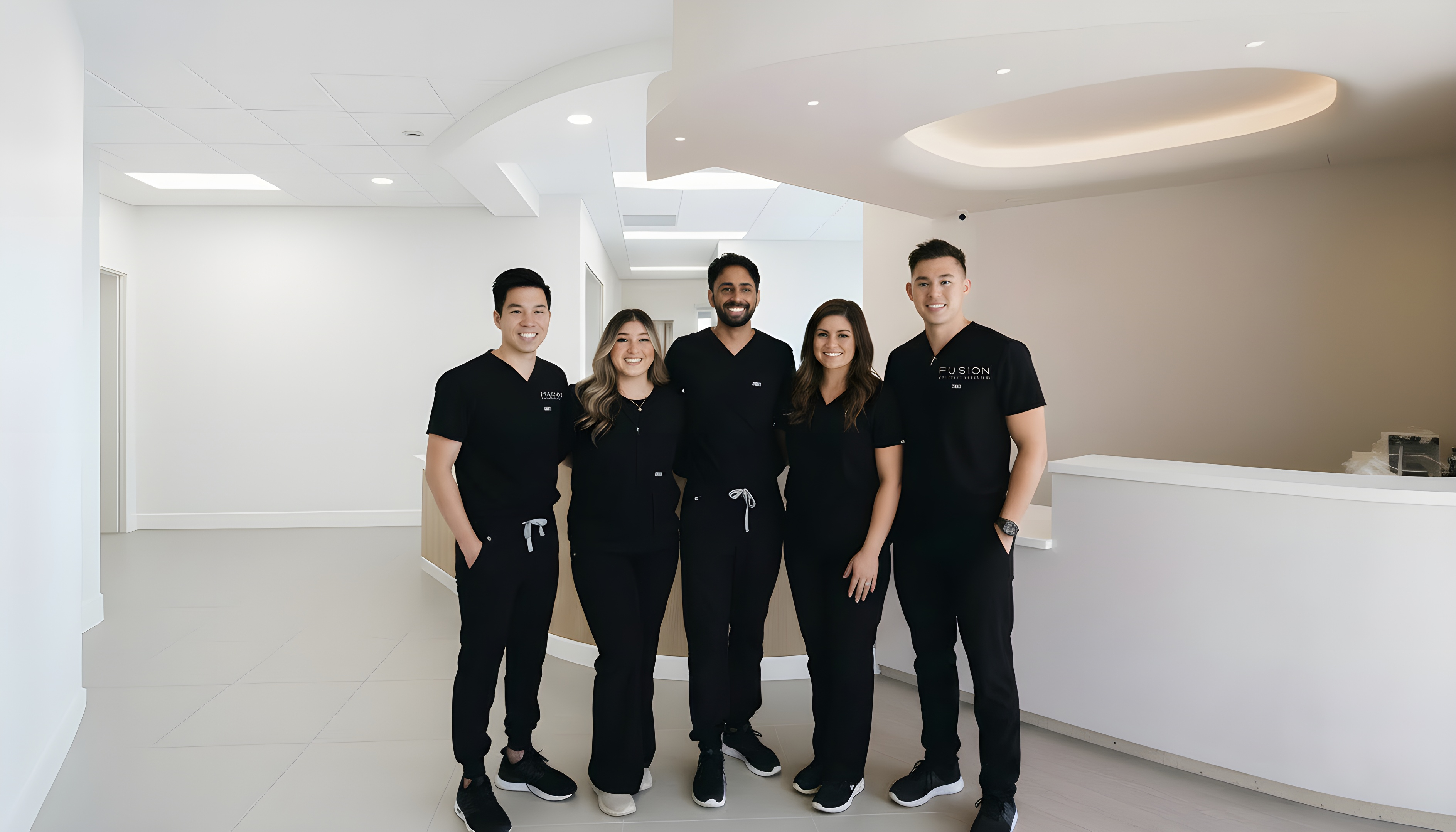
Bring your questions to our general dentistry team or explore our implant services. We see patients at our Roseville and El Dorado Hills offices. Review our providers, payment options, and first-visit information before your appointment.
Why patients choose Fusion: Care in two local offices | An individualized treatment plan | Clear discussion of options and follow-up
Request an appointment. For urgent symptoms, call (916) 292-9998 rather than waiting for an online reply. Appointment availability must be confirmed; we do not advertise 24-hour emergency coverage.
About Fusion Dental Implants: Dental implant and general dental care in Roseville and El Dorado Hills, California.
Related reading
Ready to Transform Your Smile?
Schedule your free consultation today and discover how dental implants can change your life.