
Teeth Whitening: Options, Sensitivity, and Realistic Results
Teeth whitening uses bleaching agents to lighten natural teeth. Results depend on the cause of discoloration and the product used; crowns, veneers, fillings, and dentures do not whiten in the same way. A dental assessment can help distinguish surface stains from problems that need a different treatment.
On this page
Find the cause of the discoloration first
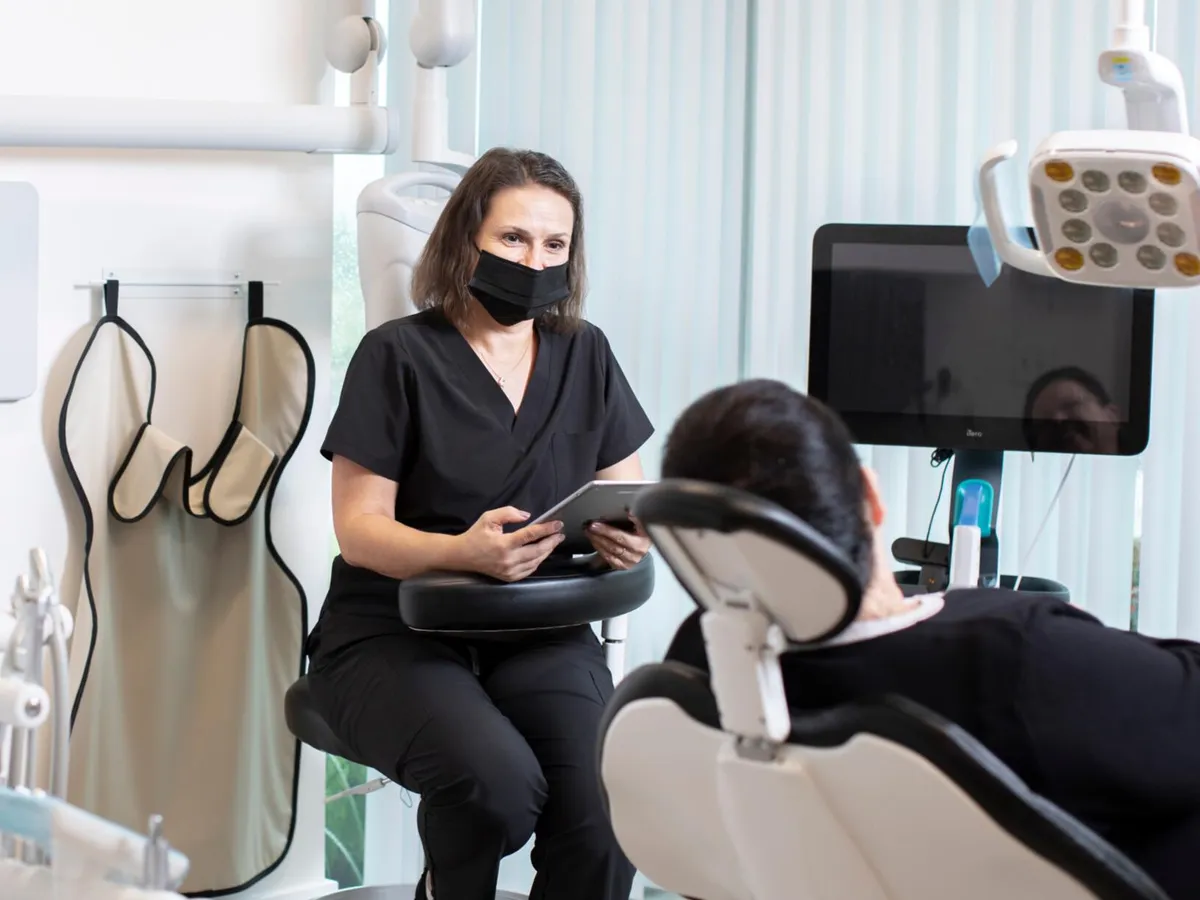
Coffee, tea, tobacco, and other exposures can contribute to surface staining. Age, medicines, and trauma can affect color within a tooth. A single dark tooth, pain, or a new color change deserves an examination rather than repeated bleaching.
A professional cleaning may remove some external stains without changing the underlying tooth shade. The ADA whitening overview explains why different kinds of discoloration respond differently. Cavities, irritated gums, and exposed roots should be addressed before starting a cosmetic plan.
Compare whitening approaches
| Approach | What it offers | What to consider |
|---|---|---|
| Whitening toothpaste | Removal of some surface stains | Does not bleach the internal tooth shade like peroxide products |
| Over-the-counter strips or gels | Convenient home treatment | Follow labeling; fit and sensitivity vary |
| Dentist-supervised trays | A guided home plan | Confirm wear time, gel amount, and follow-up |
| In-office whitening | Professional application and monitoring | Results and number of visits vary |
Stronger is not automatically better. Excess treatment can increase sensitivity or gum irritation. Ask which options the practice currently provides and what is realistic for your starting shade. The ADA oral-health resource on whitening discusses product considerations and evidence.
Plan around existing dental work
If a crown or veneer is visible in your smile, whitening neighboring teeth may create a mismatch. Replacing a sound restoration solely to change its color is a separate, irreversible decision with additional cost. Discuss the order of treatment before committing to either procedure.
For a shape concern, a gap, or a damaged tooth, whitening may not address the issue. Our veneers guide explains a different cosmetic option; our crown guide focuses on restoring tooth structure.
Protect comfort and set a maintenance plan
The path at a glance: Assess teeth and gums → Agree on a shade goal → Choose a method → Follow the schedule → Review comfort and results.
Temporary sensitivity can occur. Stop and contact the dental team if symptoms are significant or persistent rather than increasing the dose or wearing trays longer. Do not use household bleach, lemon juice, or abrasive scraping as substitutes for dental products.
Results are not permanent. Diet, tobacco, oral hygiene, and future touch-ups influence how long the change lasts. Ask for the complete price of the proposed treatment and maintenance rather than assuming a fixed number of shades or years is guaranteed.
Frequently Asked Questions
Does whitening work on crowns?
No. Crowns, veneers, fillings, and dentures do not bleach like natural teeth, so existing restorations may no longer match.
Can whitening cause sensitivity?
Yes. Temporary sensitivity or gum irritation can occur. Follow directions and contact your dentist if symptoms are significant or persistent.
Is a cleaning the same as whitening?
No. Cleaning removes plaque, tartar, and some surface stains; bleaching changes the shade of natural teeth.
Can I whiten one dark tooth myself?
A single dark tooth should be evaluated first, especially after trauma or with pain. Its cause may require a different treatment.
Are stronger products always better?
No. Product choice, wear time, tooth condition, and sensitivity all matter. More exposure can increase irritation without delivering the result you want.
Will the result last forever?
No. Staining habits, oral care, and maintenance affect how long the change lasts. Ask about an appropriate touch-up plan.
Can I use lemon juice or household bleach?
No. Acidic or household cleaning products can damage teeth and tissues. Use dental products as directed.
How much will my whitening cost?
Ask for the current fee for the recommended method, including trays, visits, and any planned maintenance. Your dental condition may affect the plan.
Talk with Fusion about your next step
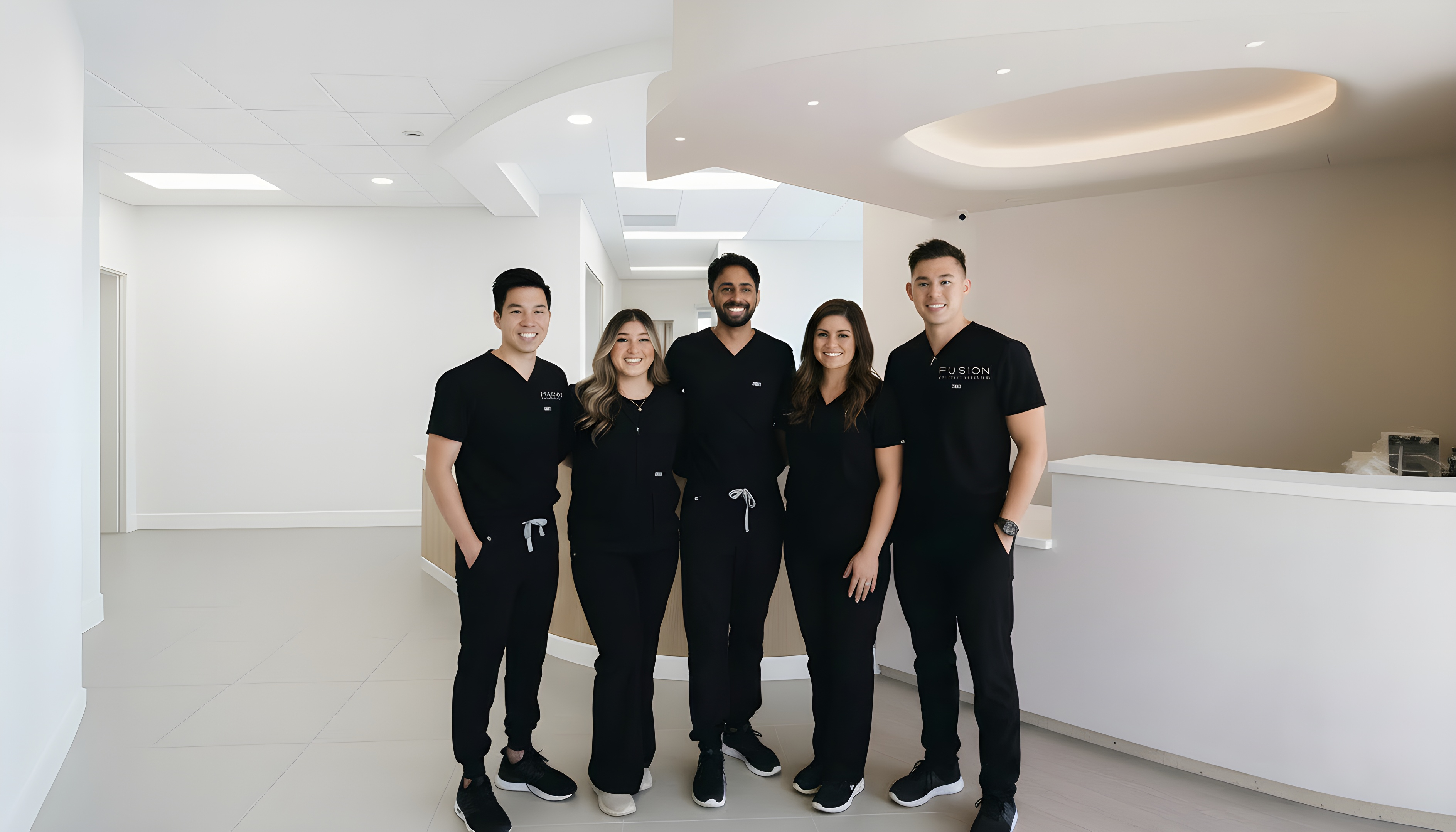
Bring your questions to our general dentistry team or explore our implant services. We see patients at our Roseville and El Dorado Hills offices. Review our providers, payment options, and first-visit information before your appointment.
Why patients choose Fusion: Care in two local offices | An individualized treatment plan | Clear discussion of options and follow-up
Request an appointment. For urgent symptoms, call (916) 292-9998 rather than waiting for an online reply. Appointment availability must be confirmed; we do not advertise 24-hour emergency coverage.
About Fusion Dental Implants: Dental implant and general dental care in Roseville and El Dorado Hills, California.
Related reading
Ready to Transform Your Smile?
Schedule your free consultation today and discover how dental implants can change your life.