
Dental Implants: How They Work, Who They Help, and What to Expect
Dental implants are devices placed in the jawbone to support replacement teeth. They can hold a crown, bridge, or denture, depending on how many teeth are missing and the treatment plan. They are a long-term option for some patients, but require surgery, healing, maintenance, and an individual assessment.
On this page
What an implant replaces
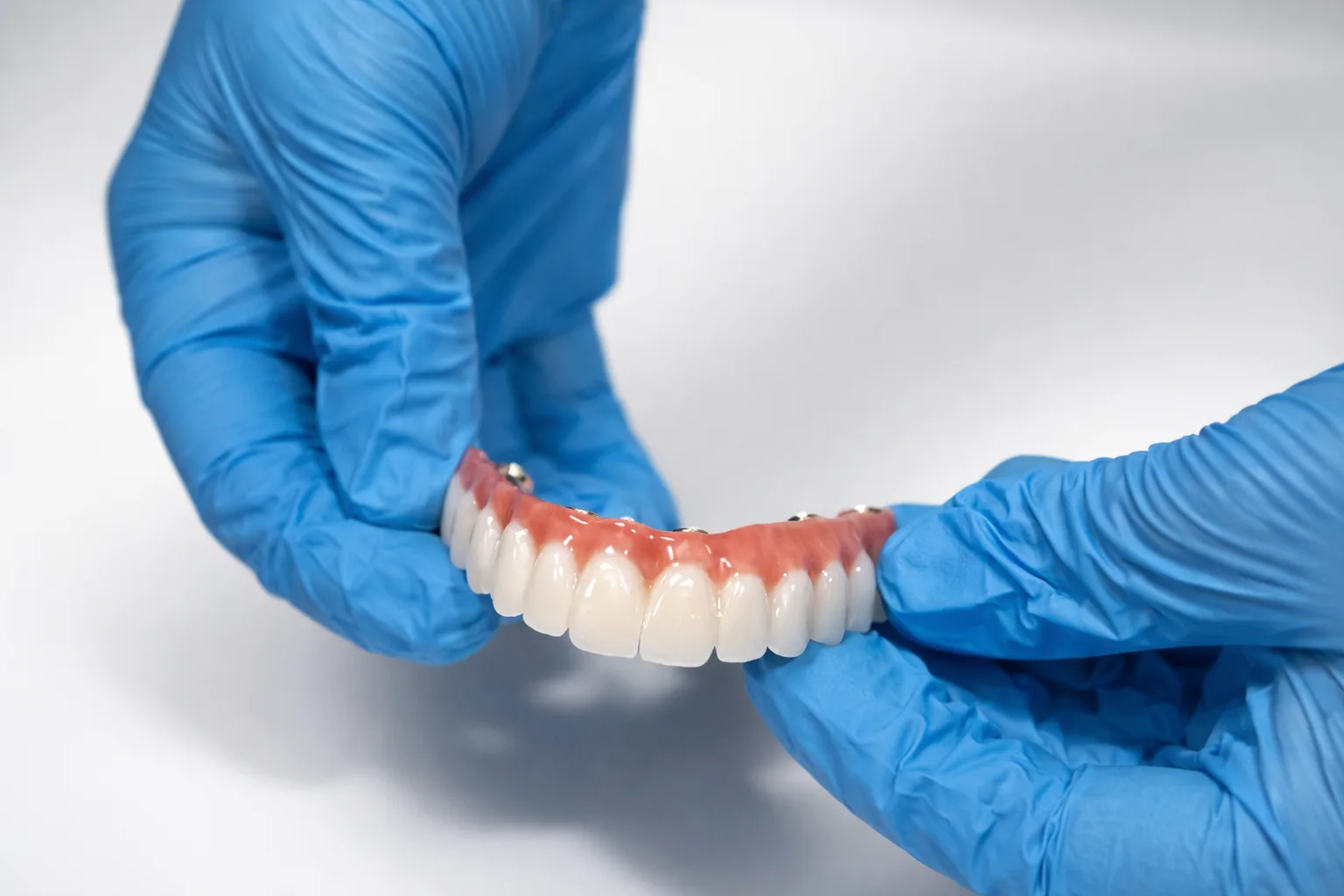
A natural tooth has a root and a visible crown. An implant replaces the root's supporting role; an artificial crown or other restoration replaces the visible teeth. An abutment often connects the two. The restoration may be fixed or removable depending on its design.
The FDA patient guide explains the components and important risks. Implants can support chewing and appearance, but they are not identical to natural teeth and do not have a guaranteed lifetime. A healthy, restorable tooth should not be removed simply because an implant is available.
Compare the main options
| Missing teeth | Possible restoration | Key consideration |
|---|---|---|
| One tooth | Implant and crown | Space, bone, neighboring teeth, and bite |
| Several teeth | Implant-supported bridge or selected crowns | Number and position of supports |
| An entire arch | Fixed bridge or removable implant denture | Bone, hygiene access, lip support, and maintenance |
| Surgery not suitable or preferred | Conventional bridge or removable denture | Alternative support and care requirements |
Our single-tooth guide and fixed-versus-removable guide explain these choices in more detail.
Candidacy and treatment stages
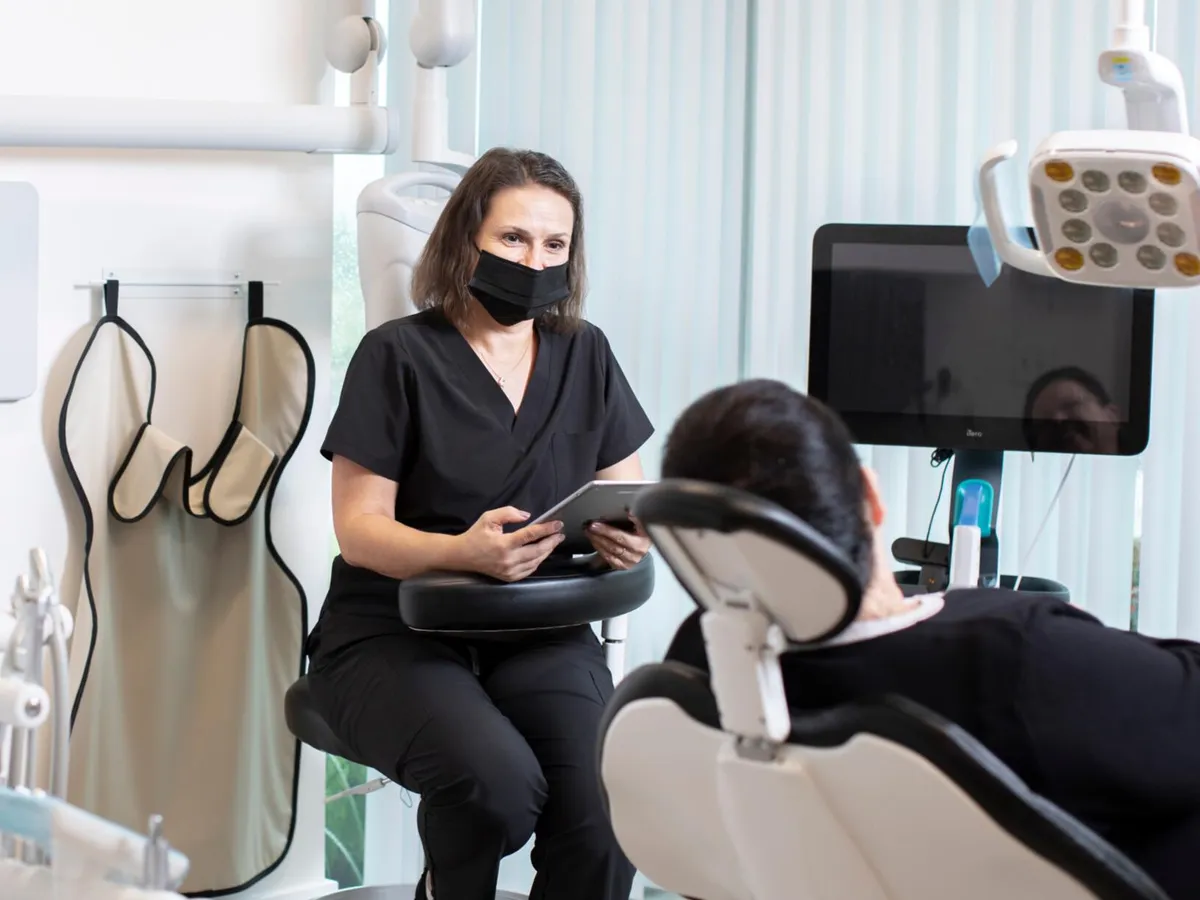
The assessment considers gum disease, bone, anatomy, medical history, medications, tobacco use, and your ability to maintain the replacement. Some patients need treatment before implants; others may be better served by a non-surgical option.
The path at a glance: Consultation → Imaging and planning → Preparatory treatment if needed → Implant placement → Healing → Final restoration → Maintenance.
Some patients receive temporary teeth at surgery, but immediate teeth do not mean healing is complete or all foods are permitted. Ask about the temporary, follow-up visits, and what would change the schedule. The ADA implant overview offers additional background.
Costs, risks, and long-term care
Fusion advertises single-tooth treatment from $1,850 and full-arch treatment from $17,999 per arch. Confirm current offer terms, included components, eligibility, and additional treatment in a written quote. These starting offers are not a personalized estimate or a guarantee that every patient qualifies.
Discuss infection, implant failure, injury to nearby structures, and the possibility of repair or replacement. Ask how your own risk factors influence the recommendation. See our financing guide for payment questions, including APR and total repayment.
Daily cleaning and regular dental reviews remain necessary. Implants do not get cavities, but the surrounding tissues can become diseased, and crowns or bridges can wear or break. Report pain, drainage, swelling, or a loose restoration rather than trying to repair it yourself.
Frequently Asked Questions
What is a dental implant?
It is a device placed in the jawbone to support a replacement crown, bridge, or denture. The restoration is a separate part of the system.
Can implants replace several teeth?
Yes. Depending on the plan, implants may support multiple crowns, a bridge, or a full-arch restoration.
Are implants right for everyone?
No. Bone, gums, anatomy, health history, medicines, and maintenance needs must be assessed. Other replacements may be more appropriate.
Are implants permanent?
They are intended as a long-term option, but implants and restorations can develop complications and may need repair or replacement.
Can I get teeth the same day?
Selected patients may receive temporary teeth at surgery. Eligibility, stability, and chewing restrictions must be discussed with the clinician.
Do implants need cleaning?
Yes. Daily cleaning and professional maintenance help protect the surrounding tissues and restoration.
What does a starting price mean?
It is an advertised offer, not an individual treatment quote. Ask which components and additional procedures are included or excluded.
Should a healthy tooth be replaced with an implant?
Not simply because an implant is available. Ask whether the natural tooth can be predictably maintained and compare alternatives.
Talk with Fusion about your next step
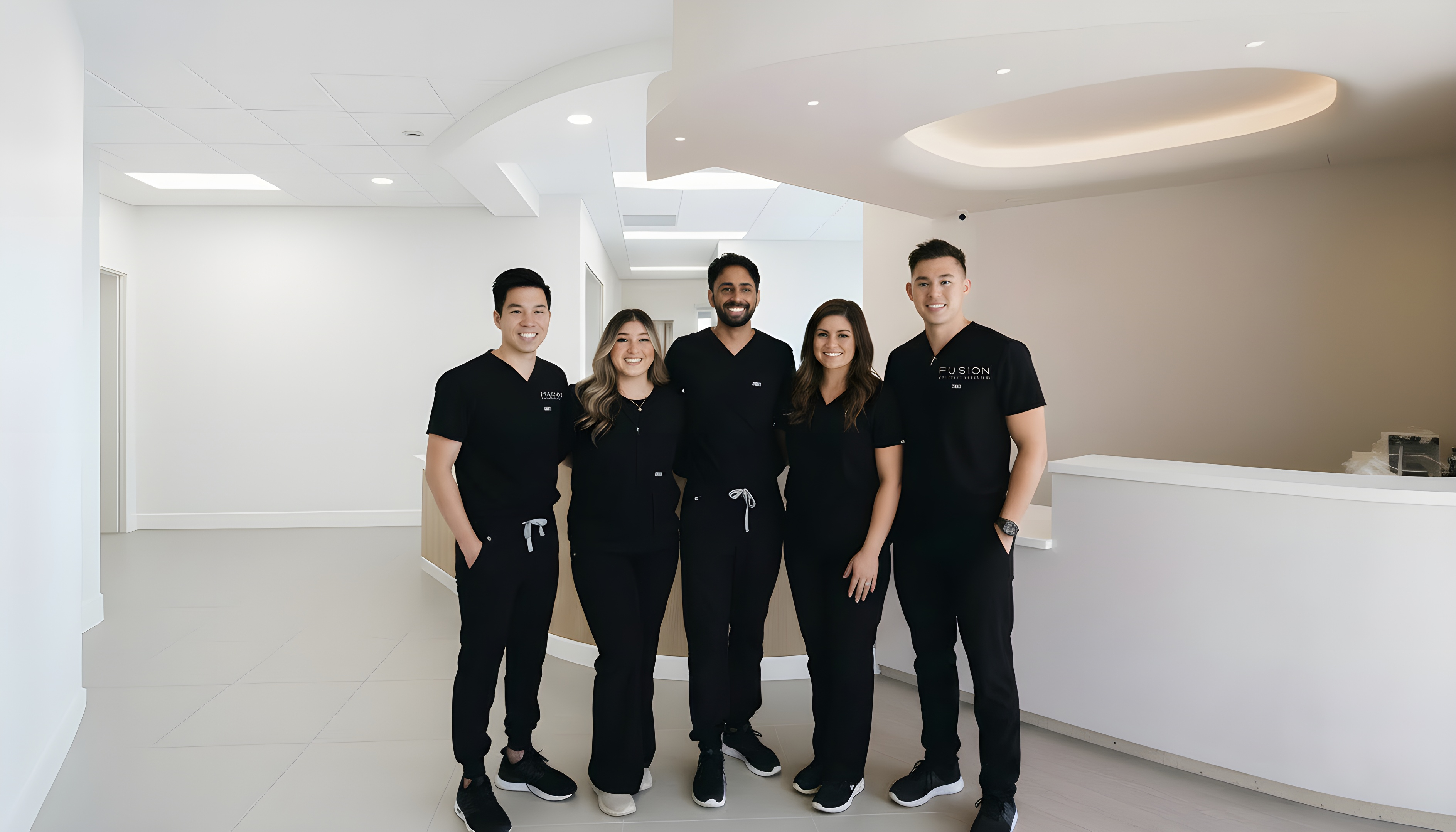
Bring your questions to our general dentistry team or explore our implant services. We see patients at our Roseville and El Dorado Hills offices. Review our providers, payment options, and first-visit information before your appointment.
Why patients choose Fusion: Care in two local offices | An individualized treatment plan | Clear discussion of options and follow-up
Request an appointment. For urgent symptoms, call (916) 292-9998 rather than waiting for an online reply. Appointment availability must be confirmed; we do not advertise 24-hour emergency coverage.
About Fusion Dental Implants: Dental implant and general dental care in Roseville and El Dorado Hills, California.
Related reading
Ready to Transform Your Smile?
Schedule your free consultation today and discover how dental implants can change your life.