
Are Dental Implants Worth It? An Honest Cost-Value Analysis
Medically reviewed byDr. Alexander Antipov— 2026-08-04
For most patients who are candidates, yes — dental implants are worth it, and the reason is arithmetic, not marketing: they're the only tooth replacement that restores the root, preserves jawbone, and can last decades. The upfront price is higher than a bridge or denture, but measured as cost per year of service, implants are frequently the cheapest option you can choose. The honest answer also includes the cases where they're not worth it — and this guide covers both.
The most expensive dental implant isn't the one with the highest price tag. It's the one that fails and has to be redone.
The math: cost per year, not cost per procedure
Comparing sticker prices puts a decades-long solution next to options with expiration dates. Here's the fairer comparison:
| Option | Typical lifespan | What happens at end of life | Long-term pattern |
|---|---|---|---|
| Dental implant | Post: decades, often lifetime; crown ~10–15 years | Crown replaced on existing post | One surgical investment; minor renewals |
| Dental bridge | ~10–15 years | Entire bridge remade; anchor teeth often worse for wear | Repeats 2–3× over 30 years |
| Traditional dentures | Reline every few years; remake ~5–8 years | New denture as jaw shrinks | Ongoing cost plus accelerating bone loss |
Two structural facts drive the math. A bridge requires grinding down the healthy teeth on either side of the gap — teeth that then carry extra load and often need their own treatment later. And neither bridges nor dentures stimulate the jawbone the way a root does, so bone resorbs, faces change shape, and each denture remake fits a smaller ridge than the last. Our implants vs. dentures comparison walks through this honestly.
The value chain: Root replaced → bone preserved → adjacent teeth untouched → decades of service → lowest cost per year
What you're actually paying for
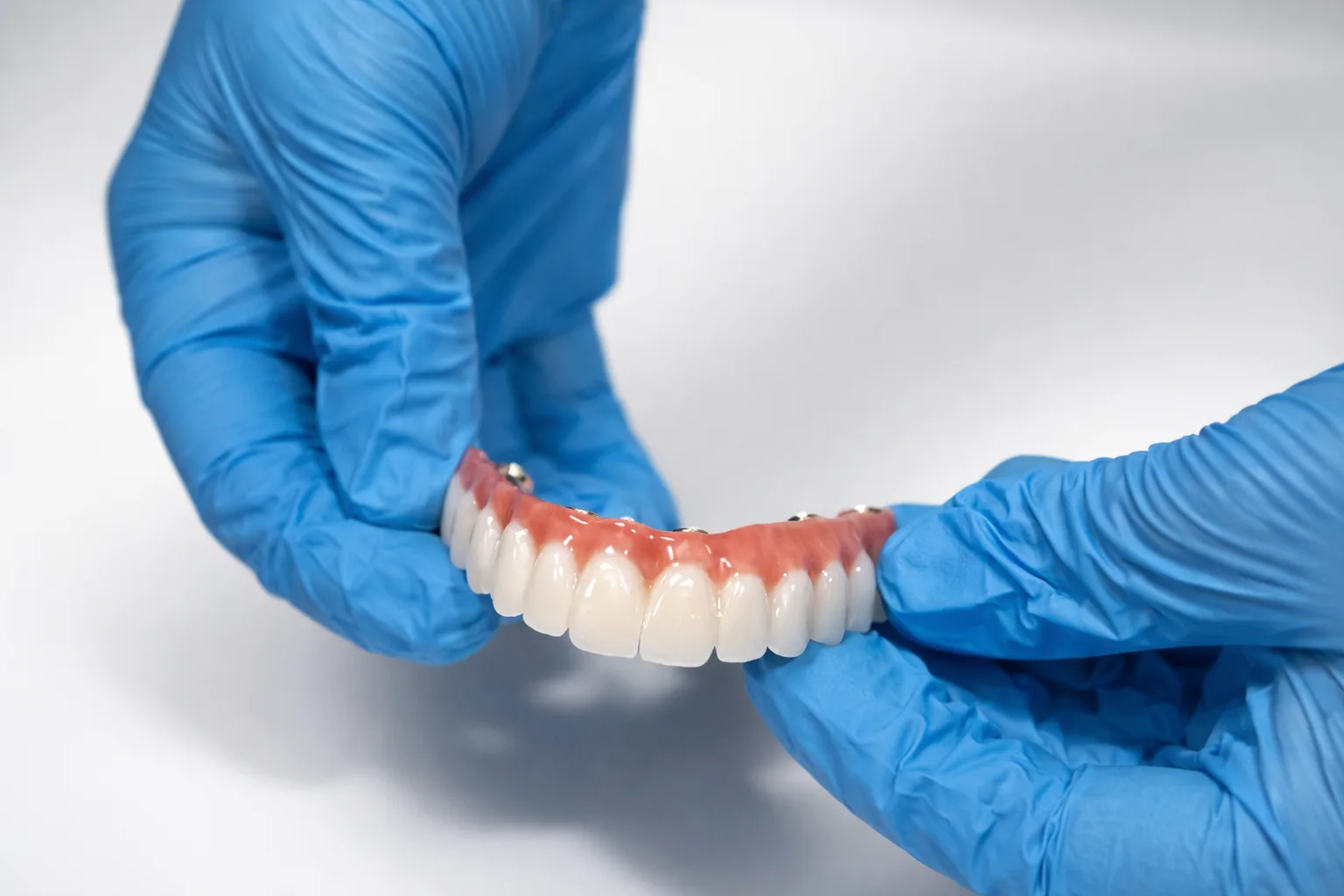
An implant quote covers three components — a titanium or zirconia post, a connector abutment, and a custom crown — plus the parts you don't see: 3D CBCT imaging, surgical planning, sterile placement, and lab craftsmanship. Our crown vs. abutment guide breaks down each part, and the full cost breakdown itemizes where the money goes.
That's also why "bargain" quotes deserve scrutiny before celebration. A number that looks low often excludes the abutment, the crown, the imaging, or the sedation — the surprise arrives in the itemized billing later. Our guide to comparing implant quotes shows exactly what to check line by line.
The failure tax: when cheap becomes expensive
Skimping on imaging, materials, or surgical experience doesn't make an implant cheaper — it makes failure more likely. And a failed implant means removal, usually bone grafting, months of healing, and paying for placement all over again. Patients who chased ultra-low prices abroad sometimes learn this the hardest way; our dental tourism guide documents what revision cases involve.
This is the "experience premium" in plain terms: a properly planned implant, placed with 3D guidance using materials that follow FDA guidance on dental implants, is designed to reduce the risk of the second surgery that erases every dollar the bargain saved — individualized planning and proper materials exist precisely to prevent avoidable failures.
When implants are NOT worth it
An honest analysis includes the other side:
- Uncontrolled health conditions. Unmanaged diabetes, active gum disease, or certain medications can make surgery unsafe or failure likely until they're addressed first.
- Unwillingness to maintain them. Implants can't decay, but the gums around them can get infected. If daily hygiene isn't going to happen, long-term maintenance math changes.
- Continued heavy smoking. Smoking constricts blood flow to healing tissue and raises failure risk substantially.
- Bone that can't support them — yet. Severe bone loss doesn't rule implants out, but it may require grafting first, which changes the timeline and budget conversation.
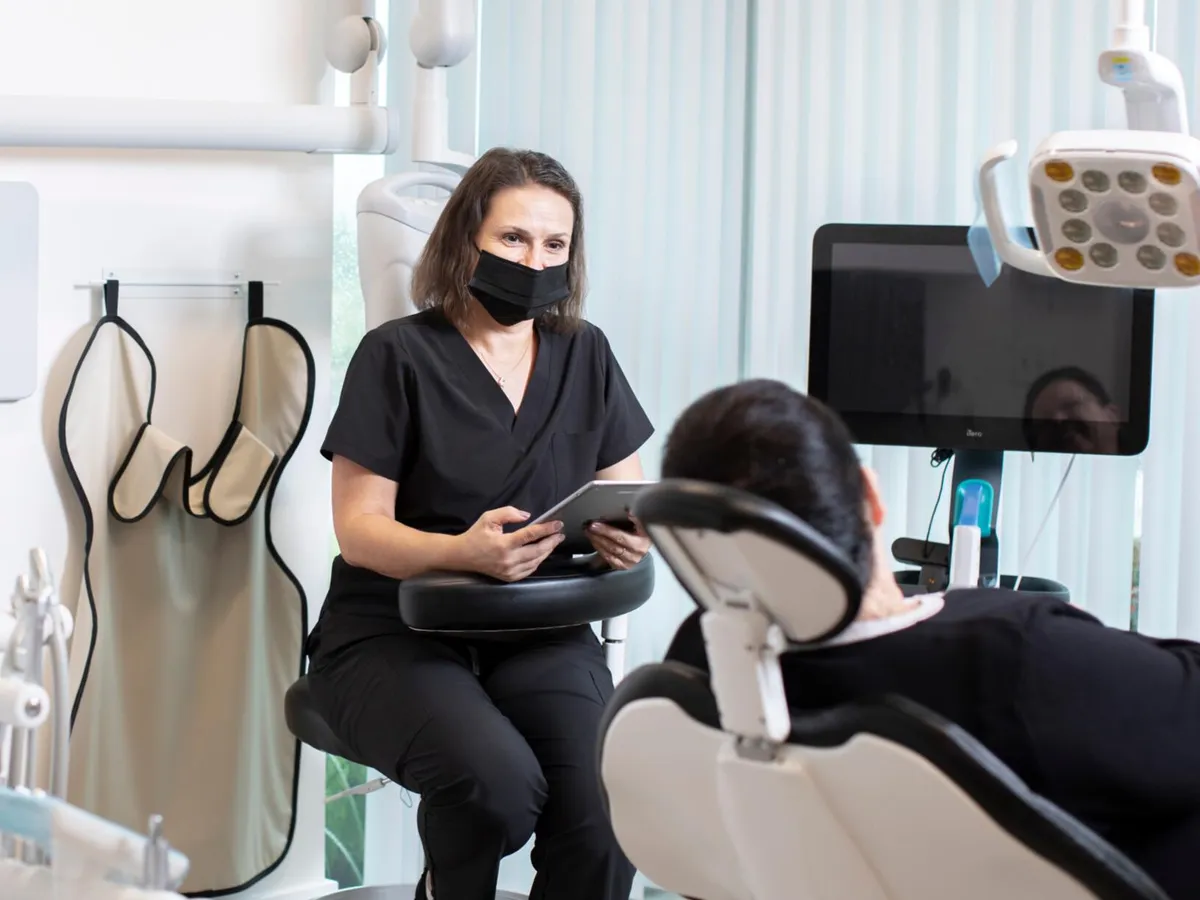
A trustworthy provider tells you this at the consultation, not after the deposit. That's what the free evaluation is for.
Waiting has a price too
Jawbone starts resorbing soon after a tooth is lost. The longer a gap sits empty, the more likely you'll need bone grafting to rebuild the foundation — an added procedure that early treatment often avoids entirely. If you're weighing "worth it," factor in that the same implant typically costs less this year than in three.
What the numbers look like at Fusion
At our Roseville and El Dorado Hills offices, pricing is transparent and all-inclusive after a free consultation and 3D CBCT scan:
- A single implant starts at $1,850 — while piece-by-piece pricing in the broader market commonly runs $3,500–$6,500 once post, abutment, and crown are itemized separately.
- Snap-on dentures (implant-supported, also called snap-in dentures) are $9,999 per arch.
- Fixed All-on-4 full-arch is $17,999 per arch, with same-day provisional teeth from our in-house lab.
Financing through third-party lenders, including 0% options for qualified patients, converts the investment into monthly payments — and our price match guarantee applies to comparable local quotes, so choosing board-certified care doesn't mean overpaying for it.
Schedule your free consultation
Why patients choose Fusion: In-House Dental Lab | Same-Day New Teeth | Transparent All-Inclusive Pricing | Lifetime Full-Arch Warranty | Price Match Guarantee
Frequently Asked Questions
Are dental implants really worth the money?
For most patients with a healthy enough jaw to receive them, yes — because implants are the only replacement that restores the tooth root, preserves jawbone, and can last decades. Measured as cost per year of service, an implant that lasts 25 years often works out cheaper than a bridge replaced every 10–15 years or dentures relined and remade repeatedly.
Why do dental implants cost more than a bridge or dentures?
You're paying for surgery, not just a prosthetic: a biocompatible titanium post placed in bone, a connector abutment, and a custom crown — plus 3D imaging, surgical planning, and lab work. Bridges and dentures skip the surgical foundation, which is exactly why they don't stop bone loss and typically need replacement sooner.
What is the real cost of choosing the cheapest implant quote?
The most expensive implant is the one that fails. Bargain quotes often cut corners on imaging, materials, or surgical experience — and a failed implant means removal, bone grafting, months of healing, and paying for placement a second time. Redoing a failed case routinely costs more than doing it properly once.
How long do dental implants last compared to the alternatives?
The titanium post is designed to fuse with your bone permanently, and with good hygiene many implants last decades or a lifetime. The visible crown may need replacement after roughly 10–15 years of normal wear. By comparison, bridges typically last 10–15 years, and dentures usually need relines or remakes every 5–8 years as the jaw changes shape.
When are dental implants NOT worth it?
Implants may not be the right call if uncontrolled health conditions make surgery unsafe, if you're unwilling to maintain daily hygiene, or if heavy smoking continues untreated — these raise failure risk substantially. In some short-term situations, such as replacing a tooth with a poor long-term prognosis nearby, your dentist may recommend staging treatment differently. An honest evaluation should tell you this before you spend anything.
Does waiting to get an implant make it more expensive?
Usually, yes. Jawbone begins shrinking soon after a tooth is lost, and the longer the gap sits empty, the more likely you'll need bone grafting to rebuild the foundation before an implant can be placed. Addressing tooth loss early typically keeps the surgical plan — and the price — simpler.
What do dental implants cost at Fusion Dental Implants?
A single implant starts at $1,850, snap-in implant dentures are $9,999 per arch, and fixed All-on-4 is $17,999 per arch — with transparent, all-inclusive treatment quotes provided after a free consultation and 3D CBCT scan. For comparison, piece-by-piece pricing for a single implant in the broader market commonly runs $3,500–$6,500 once the post, abutment, and crown are itemized.
Can I finance dental implants instead of paying upfront?
Yes. Financing through third-party lenders, including 0% options for qualified patients, breaks the investment into monthly payments. We also honor a price match guarantee for comparable local quotes, so you don't have to trade board-certified surgical care for a lower price down the street.
This article is for general patient education and is not a substitute for personalized medical advice, diagnosis, or treatment. Every patient's oral health, anatomy, and healing response are different. Consult Dr. Antipov or your dental professional before making treatment decisions.
Sources: FDA: Dental Implants — What You Should Know · NIH/NIDCR: Oral Health Topics
About Fusion Dental Implants: We specialize in advanced dental implant solutions with locations in Roseville and El Dorado Hills, California.
Related reading:
Ready to Transform Your Smile?
Schedule your free consultation today and discover how dental implants can change your life.