Find a center
Fusion Dental Implants - Same-Day Dental Implant Specialists in Northern California
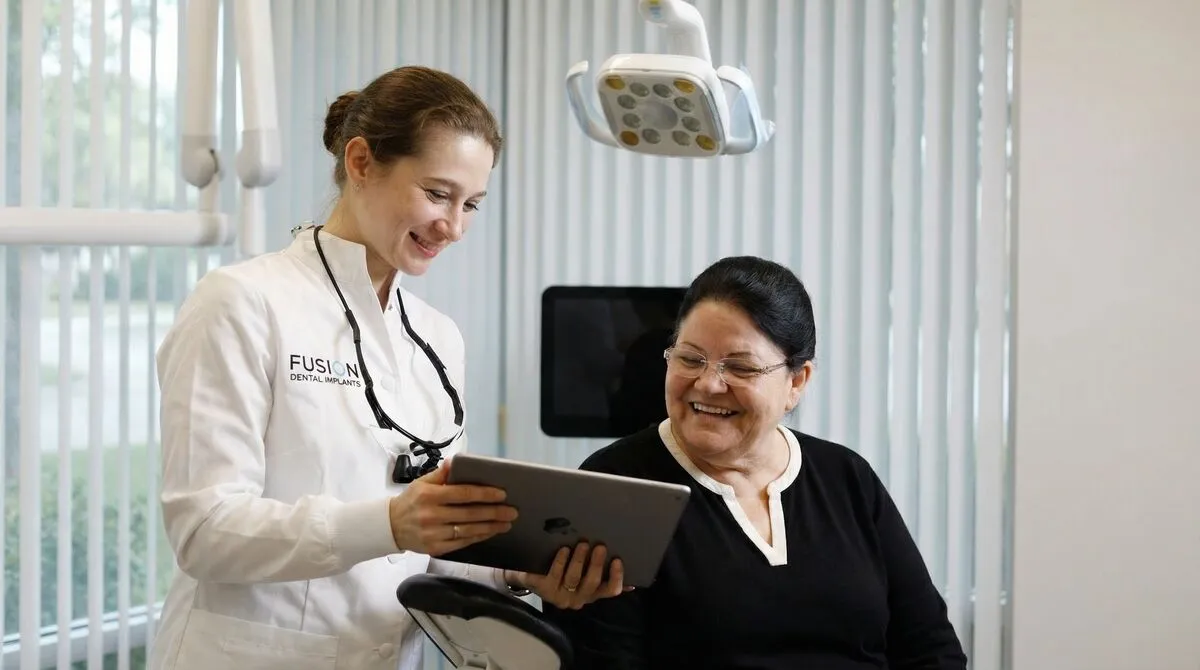
Smiling older woman
Smiling older woman
Back to Blog
Tooth Replacement Options

Dental Implants vs Dentures: An Honest Pros and Cons Comparison

dental implantsdenturestooth replacementcomparisonRoseville

The essential dental implants vs dentures pros and cons are straightforward: implants can anchor a replacement more securely but require surgery and a larger upfront investment; traditional dentures replace visible teeth without implant surgery but are removable and may need adjustment as the mouth changes. Between these choices are implant-supported removable dentures. The right answer depends on your anatomy, health, priorities, and finances rather than a universal winner.

People missing multiple teeth may be concerned about speaking, eating, appearance, or the daily work of caring for a prosthesis. A fixed bridge may address some concerns, while a well-designed conventional denture may be entirely appropriate for someone else. Here is a practical comparison without promising that one choice feels exactly like natural teeth or lasts forever.

The fundamental difference: support beneath the teeth

Traditional full dentures rest on the gums. Their retention comes from fit and oral anatomy, sometimes with adhesive; partial dentures may use clasps around remaining teeth. They replace the visible teeth and some gum contour without putting a post into the jaw. They can be made without implant surgery and can restore appearance and function even when an implant is not desired or medically appropriate.

A dental implant is a post placed into jawbone to support a crown, bridge, or denture. An implant is not itself the visible tooth. As the bone heals around the post, it can support a restoration; the FDA's overview of dental implants describes these components, potential benefits, and risks. A single implant may support one crown, while several implants may support a full-arch bridge or a removable overdenture.

After teeth are lost, the shape of the supporting ridge can change. Implants may help maintain bone around their placement sites, while a conventional denture does not replace tooth roots. But it is inaccurate to claim an implant stops all bone loss, that a denture always accelerates it, or that facial contours are guaranteed to stay unchanged. Bone and soft tissues respond to many factors, including gum health, remaining teeth, and time. The NIDCR's guide to gum disease explains why protecting the tissues that support teeth matters before and after tooth replacement.

Side-by-side: function, maintenance, and trade-offs

ConsiderationConventional removable denturesFixed implant-supported teethImplant-retained snap-in denture
SupportRests on gums; partials may also rely on remaining teeth.Bridge or crown attaches to implants in bone.Removable denture clips onto implant attachments.
SurgeryNo implant surgery required.Requires implant placement; other procedures may be needed.Requires implants, even though denture is removable.
StabilityFit varies; movement or adhesive may be an issue for some wearers.Generally stable when healthy and well maintained; not immune to mechanical issues.Added retention versus a tissue-supported denture, but attachments can wear.
CleaningRemove and clean the appliance; clean mouth and any natural teeth.Brush and use recommended tools around and beneath restoration.Remove and clean denture; clean implant sites and attachments.
Bone and gumsDoes not provide implant support to the bone; changing ridge may affect fit.Bone may be maintained near implants; peri-implant tissues still require care.Implants provide support at their sites; uncovered areas may still change.
Cost patternOften lower initial cost; possible future relines, repairs, or replacement.Higher initial cost and possible future maintenance or component replacement.Implant surgery plus denture and attachment maintenance; estimate individually.
Best question to askHow will the fit be checked and adjusted over time?How will I clean beneath it and handle repairs?How often will the attachments and denture need evaluation?

The old “head-to-head” comparison also asked about comfort, eating, speech, appearance, and confidence. Those remain important—but none is reliably captured by a bite-force percentage or a promise that everyone forgets their prosthesis is there. A lower denture may move more for one person than an upper; a well-fitting denture may work quite well for another. Implants can improve stability, yet the final design and healthy tissues are still crucial.

The ADA's patient information on implants explains that implants may support crowns, bridges, or dentures. This is not simply “implant versus denture”: an implant can be the support for a denture.

Eating, speech, and comfort in everyday life

Consider specific situations rather than slogans. Which foods matter to you? Do you have sore spots or a loose denture now? Do you speak for work? Are you comfortable removing and cleaning an appliance every evening? A conventional denture can require practice with eating and speech; if it slips or causes irritation, the dentist may adjust its fit. Do not accept recurring sores as something you simply have to live with.

A fixed implant bridge does not need adhesive and stays attached during daily wear. That does not mean it can withstand any food in every stage of treatment. Newly placed implants and temporary teeth may require a restricted diet. Even after final restoration, excessive forces or a poorly fitting bite can damage components. Ask your clinician for diet advice tailored to the prosthesis you actually receive.

Upper removable dentures may cover part of the palate, affecting how some patients experience food or speech; designs vary. A fixed restoration may leave more of the palate uncovered, but its shape and adaptation period matter. No credible clinician should promise universally perfect speech or a precise restoration of “natural” chewing power.

The real financial comparison

Traditional dentures generally cost less up front than implant-supported replacements. They may need relining or replacement when tissues change, and a fracture or worn tooth can require repair. But an implant bridge is not a one-time purchase that eliminates all later expense: cleanings, possible repairs, component wear, and treatment of inflammation can still cost money. The relative lifetime cost depends on how long each particular restoration serves, what maintenance is required, and the details of the original treatment.

Ask for a written apples-to-apples estimate. For dentures, find out whether it includes extractions, immediate dentures, adjustments, relines, and future replacements. For implant care, check imaging, extraction, grafting, implant posts, abutments, temporary teeth, final teeth, sedation if relevant, follow-up, and repair terms. A quoted post price is not automatically the price of a complete tooth.

At Fusion Dental Implants, a single implant is advertised from $1,850, and full-arch care from $17,999 per arch. Costs vary by treatment needs, and these starting prices should not be interpreted as a complete personalized total. Financing may be available from $73/month for a single tooth or from $299/month for a full arch, subject to approval and terms. Review the complete financing agreement and the California financing guide rather than comparing monthly payments alone. If evaluating another quote, read any price-match terms and verify that the treatments include equivalent components.

When budget is an absolute constraint, conventional dentures are a legitimate treatment—not a failure to choose “better” care. If a fixed arch is not affordable or not clinically advised, it may still be worth asking about a removable implant-retained option and about the treatment sequence over time.

When each approach may fit best

Reasons to consider conventional dentures

You may want to avoid surgery or you may have health circumstances that make it inadvisable at present. You might value a quicker path to a removable appliance, have a limited budget, or simply prefer to be able to take out your replacement teeth. Dentures can be modified as the mouth changes, but expect ongoing checks of fit. If you have natural teeth remaining, ask whether a partial denture, bridge, or tooth-preserving treatment could help you retain them.

Dentures are not a “cosmetic-only” choice. Replacing missing teeth can support appearance, speech, and eating; the fit and your ability to adapt are essential. Ask what happens if the denture rubs, which foods may take practice, and whether an immediate denture made before extractions will need adjustment as tissues heal.

Reasons to consider fixed implants

Some patients prioritize a restoration that stays in the mouth, avoids daily removal, and has firm anchorage. A single implant can also replace a missing tooth without preparing adjacent teeth as supports for a conventional bridge, though neighboring teeth and bite still must be assessed. The implant versus bridge comparison goes deeper into that decision.

Implants require a surgical evaluation, healing, and a home-care routine. Smoking, active gum disease, uncontrolled health problems, and insufficient bone can change eligibility or risk. Discuss these concerns candidly rather than assuming a scan or an angled implant can solve every anatomical limitation. If you are considering a fixed arch, the All-on-4 introduction explains one configuration, not a prescription for every patient.

The middle ground: an implant-supported overdenture

Snap-in or implant-retained dentures use implants and attachments to improve retention while allowing you to remove the prosthesis yourself. The number and position of implants depend on the arch, available bone, and design; “two to four” is a commonly discussed arrangement but not a universal requirement. The clips, inserts, or other attachments can wear and need periodic care. The removable base can still need adjustment, and uncovered parts of the ridge can still change.

Compare this with a fixed full-arch bridge: the bridge remains attached for daily wear and is removed by a dental professional when indicated. It also needs cleaning beneath and around it. Neither approach eliminates hygiene appointments. Read implant dentures versus traditional dentures for more about retention and daily routines.

How to make a decision you can live with

Start with your medical and dental history. Ask whether active decay or gum disease needs treatment, whether current dentures are repairable, and how much supporting bone is available. A clinician may use an exam, conventional X-rays, or cone beam CT when appropriate to assess anatomy. Prior denture use or bone loss does not automatically rule out implants, but it should prompt an honest discussion of risks, grafting, alternatives, and expected maintenance.

Then list your preferences: fixed versus removable, how much surgery you are willing to undergo, cleaning ability, the foods and activities that matter to you, and whether a series of visits is manageable. Ask if temporary teeth would be used during healing and what they are meant to do. If the plan proposes same-day temporary teeth, confirm that they are not necessarily final teeth or permission to resume a normal diet immediately. The temporary teeth guide can help you prepare.

Finally, ask: Who places implants, who makes the final teeth, and who handles follow-up? What happens if implants do not integrate? How will your denture or bridge be cleaned and repaired? Which costs are excluded? The best treatment plan should answer these questions without making a person feel pressured to choose a more expensive option.

Fusion Dental Implants can discuss these alternatives at its Roseville and El Dorado Hills offices, serving patients from Rocklin and the Sacramento area as well. For an individualized comparison, contact the team to discuss a consultation.

Why patients consider Fusion: Implant-focused planning | Fixed and removable treatment discussions | Written estimates | Follow-up planning.

This article is for general patient education, not personalized medical advice, diagnosis, or treatment. Anatomy, health, risks, and healing vary. Consult a qualified dental professional about your circumstances.

About Fusion Dental Implants: We provide implant care at offices in Roseville and El Dorado Hills, California.

Related reading: Implant dentures versus traditional dentures · All-on-4 explained · Choosing a Roseville implant provider.

Frequently Asked Questions

Are dental implants better than dentures?

Not for everyone. Implants can offer greater retention and a fixed option, but they require surgery, adequate support, higher initial cost, and maintenance. Conventional dentures avoid implant surgery and may be the better fit for some people's health, preferences, or budget.

How long do dentures last compared with implants?

There is no guaranteed lifespan for either. Dentures may need adjustment, relining, repair, or replacement as the mouth changes; implant posts can last many years, while attached crowns, bridges, and overdenture components may also need maintenance or replacement.

Can I switch from dentures to dental implants?

Possibly. Prior denture wear does not automatically rule out implants, but bone, gums, health history, and goals must be assessed. Grafting or a different design may be discussed when there is limited support.

What is the least expensive way to replace all my teeth?

Conventional removable dentures often have a lower initial cost than implant-supported options. Total expenses also depend on adjustments, repairs, future replacements, surgery, and the restoration chosen; request individualized estimates.

Are snap-in dentures the same as fixed full-arch implants?

No. Snap-in dentures attach to implants for added retention but are removed by the patient for cleaning. A fixed full-arch bridge remains attached for daily wear and needs careful cleaning underneath.

Can I eat any food with implant-supported teeth?

Do not assume an unrestricted diet. Implant retention may improve stability, but chewing comfort depends on fit, bite, healing, and restoration design. Temporary teeth often come with specific food restrictions; follow your clinician's instructions.

Will implants stop all jawbone loss or changes in my face?

No. Implants can help maintain bone around implant sites, but they do not guarantee preservation of every part of the jaw or prevent all age-related facial changes. Gum health and ongoing maintenance remain important.

How do I clean dentures and implant restorations?

Removable dentures should be taken out and cleaned as directed, with gums and remaining teeth cared for too. Fixed implant bridges need brushing and cleaning around and underneath them; overdentures need cleaning of both the appliance and attachments.

Ready to Transform Your Smile?

Schedule your free consultation today and discover how dental implants can change your life.
Northern California's #1 Implant Center

Why Patients Trust Fusion Dental Implants

As Northern California's leading dental implant center, we combine advanced surgical expertise with compassionate patient care to deliver life-changing smile transformations. Every procedure is performed by board-certified oral and maxillofacial surgeons using state-of-the-art 3D imaging and guided surgery technology.

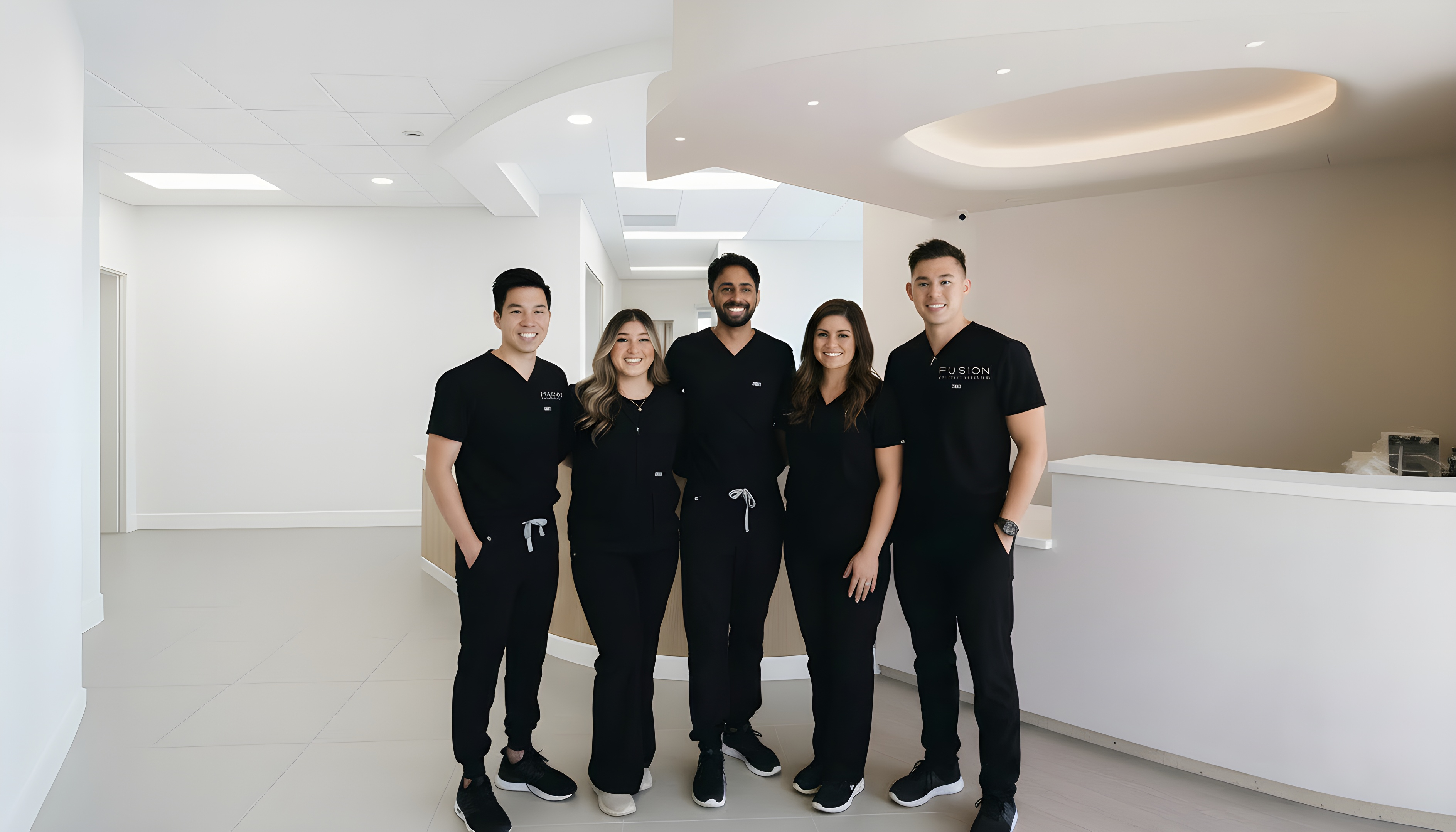
Fusion Dental Implants board-certified oral surgery team

Board-Certified Oral Surgeons

Our surgeons are board-certified by the American Board of Oral and Maxillofacial Surgery, ensuring the highest standard of training and expertise in dental implant placement, bone grafting, and full-arch restoration procedures.

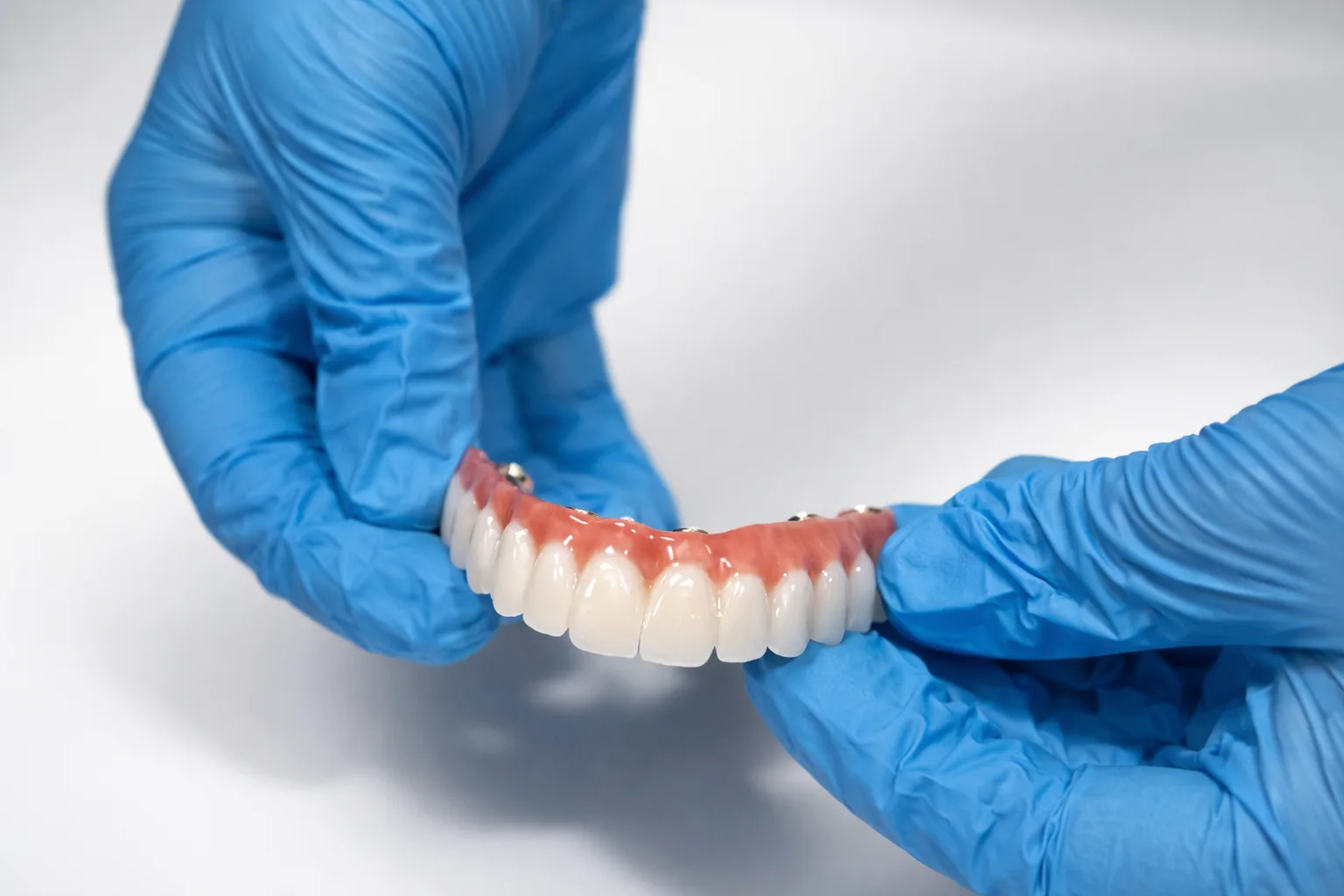
Gloved hands holding a full-arch zirconia prosthetic backed by lifetime warranty

Lifetime Warranty on Full Arch Prosthetics

We back our full-arch zirconia prosthetics with a lifetime structural warranty. If a prosthesis cracks or breaks under normal use, we replace it at no cost. Our in-house dental laboratory crafts each prosthetic with premium materials.

View full warranty terms
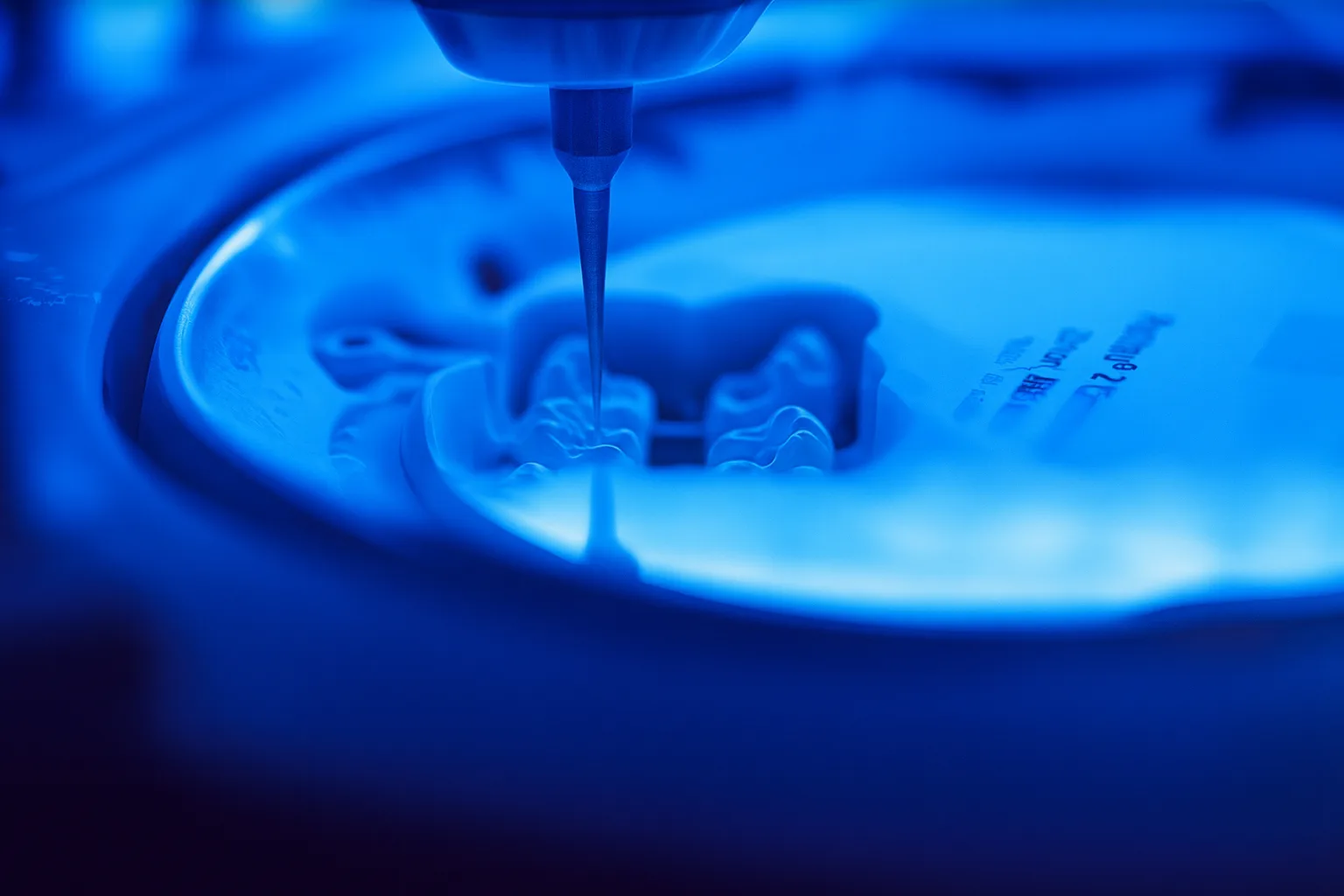
In-house dental laboratory milling a custom restoration

In-House Dental Lab

Unlike most practices that outsource lab work, Fusion Dental Implants operates its own on-site dental laboratory. This means faster turnaround times, precise custom-fitted restorations, and same-day teeth solutions for qualifying patients.

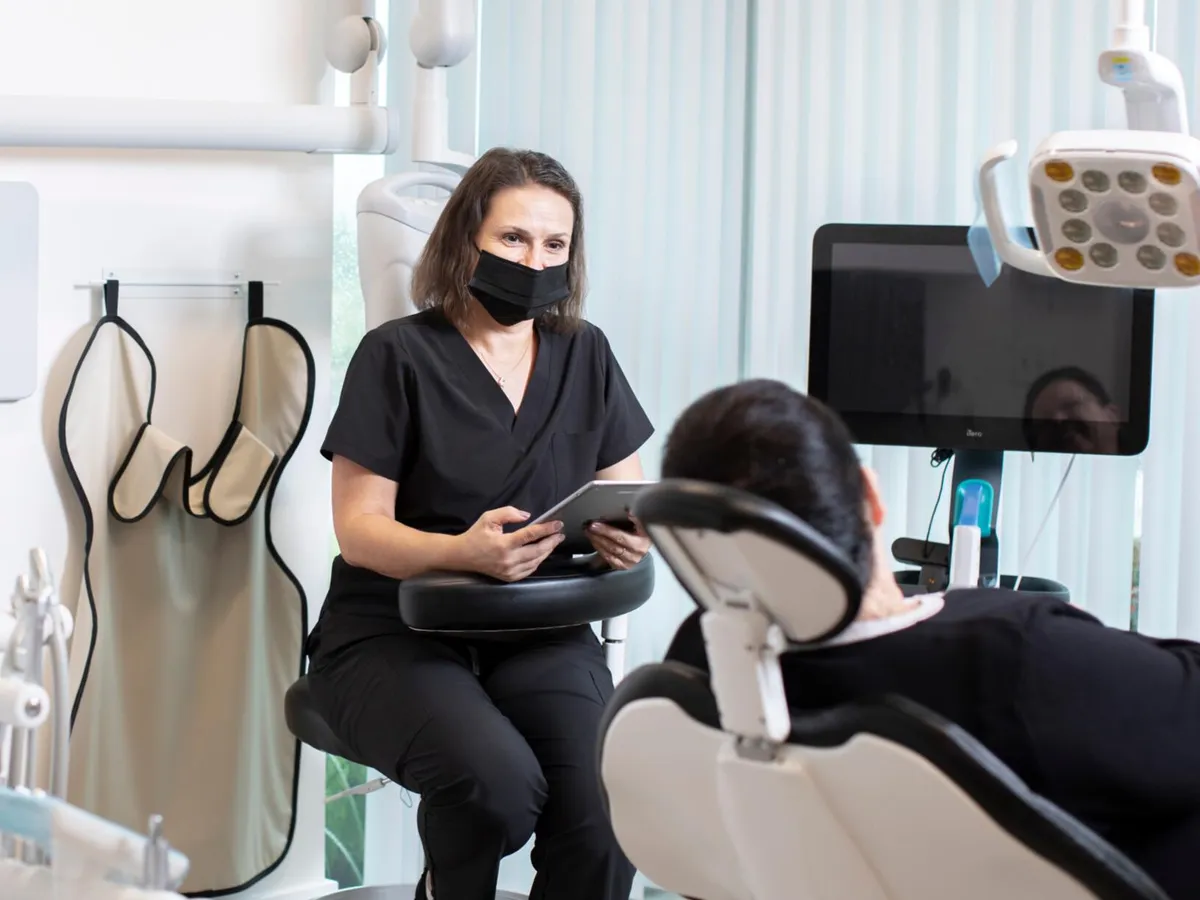
Patient consultation about affordable dental implant pricing

Price-Match Guarantee

We believe premium dental implant care should be accessible. Our price-match guarantee means if you receive a lower quote from a qualified provider for the same procedure, we will match or beat that price while maintaining our exceptional quality standards.

About Us

About Fusion Dental Implants

With over 18 years of experience and a team of the best board-certified oral and maxillofacial surgeons, Fusion Dental Implants is dedicated to providing the highest quality dental implant care in Northern California.

Our practice specializes in full-arch dental implant solutions including All-on-4 and All-on-6 procedures, single tooth implants, implant-supported dentures, and complex bone grafting cases.

Our two physical offices in Roseville and El Dorado Hills serve patients from Folsom, Rocklin, the Sacramento metropolitan area, Placer County, El Dorado County, and the greater Northern California region.

Our state-of-the-art facilities feature cone beam CT scanning, digital treatment planning, and an in-house dental laboratory that enables same-day teeth procedures.

We understand that dental implants are a significant investment in your health and quality of life. That is why we offer flexible financing — single-tooth implants from $73/month, All-on-4 full arch from $299/month — accept most major dental insurance plans, and provide a price-match guarantee.

Every patient receives a complimentary consultation with a comprehensive treatment plan tailored to their specific needs and budget.

FAQ

Frequently Asked Questions

Find answers to the most common questions about dental implants, our procedures, costs, and what to expect at Fusion Dental Implants. Still have questions? Contact us for a free consultation.

How much do dental implants cost at Fusion Dental Implants?

Dental implant costs vary based on the type of restoration needed. Single tooth implants start at approximately $1,850, implant-supported dentures begin around $9,999, and full-arch All-on-4 solutions start at $17,999 per arch.

We offer a price-match guarantee and flexible monthly financing — single tooth from $73/month, full arch from $299/month. During your free consultation, we provide a detailed treatment plan with transparent pricing and no hidden fees.

What is the All-on-4 dental implant procedure?

All-on-4 is a revolutionary full-arch dental implant technique that replaces an entire arch of teeth using just four strategically placed titanium implants. The procedure is designed so that patients can receive a complete set of fixed, non-removable teeth in a single day.

Two implants are placed vertically in the front of the jaw and two are angled at up to 45 degrees in the back, maximizing bone contact and often eliminating the need for bone grafting.

At Fusion Dental Implants, our board-certified oral surgeons have performed thousands of successful All-on-4 procedures.

How long do dental implants last?

With proper care and maintenance, dental implants can last a lifetime. The titanium implant post that is surgically placed into the jawbone integrates with the bone through a process called osseointegration, creating a permanent foundation.

The implant crown or prosthetic typically lasts 15 to 25 years before it may need replacement due to normal wear.

At Fusion Dental Implants, we use premium zirconia restorations, with our full-arch zirconia prosthetics backed by a lifetime structural warranty, and our in-house lab ensures each restoration is crafted for maximum durability and aesthetics.

Am I a candidate for dental implants?

Most adults with good general health are candidates for dental implants. During your complimentary consultation, our surgeons evaluate your jawbone density using advanced 3D cone beam CT imaging, review your medical history, and assess your oral health.

Even patients who have been told they do not have enough bone for implants may be candidates through bone grafting procedures, zygomatic implants, or the All-on-4 technique which utilizes existing bone more efficiently.

Conditions like diabetes, smoking, and osteoporosis require special consideration but do not automatically disqualify you.

What is the recovery time after dental implant surgery?

Recovery varies depending on the complexity of the procedure. For single implant placement, most patients return to normal activities within one to two days, with mild soreness lasting three to five days.

For full-arch procedures like All-on-4, patients typically experience moderate swelling for three to five days and are comfortable enough to eat soft foods the same day they receive their temporary teeth.

Full osseointegration, where the implant fuses with the jawbone, takes three to six months, during which you wear a functional temporary restoration.

Do you offer financing for dental implants?

Yes, we offer several flexible financing options to make dental implants affordable. Our monthly payment plans start as low as $73/month for single-tooth implants, $150/month for implant-supported dentures, and $299/month for All-on-4 full-arch restorations.

We partner with leading healthcare financing companies to offer plans with competitive interest rates and terms up to 84 months. We also accept most major dental insurance plans, including PPO plans, and our team helps maximize your insurance benefits.

Every patient receives a clear breakdown of costs during their free consultation.

What makes Fusion Dental Implants different from other providers?

Several factors set Fusion Dental Implants apart. Our practice is led by board-certified oral and maxillofacial surgeons with specialized training in implantology.

We operate our own in-house dental laboratory, which allows us to provide same-day teeth and ensures the highest quality custom restorations. Our lifetime warranty on full-arch zirconia prosthetics demonstrates our confidence in our work.

We offer a price-match guarantee, and our two Northern California offices in Roseville and El Dorado Hills welcome patients from Folsom, Rocklin, and throughout the region.

What are the advantages of dental implants over dentures?

Dental implants offer several significant advantages over traditional removable dentures. Implants are permanently fixed in place, so they do not slip, click, or require adhesive.

They preserve jawbone density by stimulating the bone just like natural tooth roots, preventing the facial collapse and bone loss that occurs with dentures over time. Implant patients can eat all their favorite foods without restriction, speak clearly without worry, and smile with confidence.

While the initial investment is higher than dentures, implants are more cost-effective long-term because they do not need to be replaced every five to seven years like dentures typically do.

Have a question that is not answered here? Our team is ready to help.

Patient Education

Understanding Dental Implants

Dental implants have transformed modern dentistry, offering a permanent solution for missing teeth that looks, feels, and functions like your natural smile. Explore the topics below to learn how implants work, what materials we use, and how to plan your treatment with confidence.

Types of Dental Implants Explained

Dental implants come in several varieties designed to address different clinical needs.

Endosteal implants are the most common type and are placed directly into the jawbone, typically made from biocompatible titanium that fuses with your natural bone over three to six months through a process called osseointegration.

These implants serve as artificial tooth roots and can support single crowns, bridges, or full-arch prosthetics depending on how many teeth need replacement.

For patients who lack sufficient bone height in the upper jaw, zygomatic implants offer an advanced alternative. These longer implants anchor into the dense cheekbone (zygoma) rather than the maxilla, eliminating the need for bone grafting procedures that can add months to treatment timelines.

At Fusion Dental Implants, our oral surgeons have extensive training in zygomatic implant placement, making this option available to patients who have been told they are not candidates for traditional implants.

Subperiosteal implants rest on top of the jawbone beneath the gum tissue rather than being embedded within the bone. While less common today due to advances in bone grafting technology, they remain an option for patients with significant bone loss who prefer to avoid grafting.

Mini dental implants, which are smaller in diameter than standard implants, are often used to stabilize lower dentures or in areas with limited bone width.

Your surgeon will recommend the implant type best suited to your specific anatomy, bone density, and treatment goals during your comprehensive consultation.

The Dental Implant Process Step by Step

The dental implant journey begins with a thorough diagnostic evaluation. During your complimentary consultation, your surgeon captures a three-dimensional cone beam CT scan of your jaw, which provides detailed images of bone density, nerve locations, and sinus proximity.

This digital scan is used to create a precise surgical plan, often with computer-guided templates that determine the exact angle, depth, and position of each implant for optimal results and minimal invasiveness.

On the day of surgery, local anesthesia or sedation is administered to ensure complete comfort. For single implant cases, the procedure typically takes 30 to 60 minutes.

Full-arch procedures like All-on-4, where four implants support an entire arch of teeth, generally take two to three hours per arch. After the implants are placed, a temporary restoration is attached so you leave the office with functional teeth the same day.

Over the following three to six months, the implants integrate with your jawbone to create a permanent foundation.

The final phase involves replacing your temporary teeth with your permanent custom restoration. At Fusion Dental Implants, our in-house dental laboratory crafts each prosthetic from premium zirconia, a material chosen for its exceptional strength, natural translucency, and stain resistance.

Your permanent teeth are designed to match the shape, shade, and contour of natural teeth, and they are precision-fitted to your implants for a secure, comfortable bite that can last decades with proper care.

Materials and Technology in Modern Implant Dentistry

Modern dental implants are manufactured from medical-grade titanium alloy or zirconia ceramic, both of which are biocompatible and accepted by the human body without rejection.

Titanium has a well-documented 50-year track record in implant dentistry and remains the gold standard for implant posts due to its ability to osseointegrate reliably with jawbone tissue.

The surface of each implant is micro-textured or plasma-sprayed to accelerate bone attachment and improve long-term stability.

The prosthetic teeth attached to implants have evolved significantly from the acrylic restorations of the past. Today, monolithic zirconia is the premium material choice for implant-supported crowns and full-arch bridges.

Zirconia offers superior fracture resistance compared to porcelain, does not chip or stain like acrylic, and can be milled with digital precision to achieve a natural, lifelike appearance.

At Fusion Dental Implants, all full-arch restorations are fabricated from zirconia in our on-site laboratory, which allows us to control quality at every step.

Advanced technology plays a critical role in modern implant treatment. Cone beam computed tomography provides three-dimensional jaw imaging at a fraction of the radiation dose of traditional CT scans.

Digital treatment planning software allows surgeons to virtually place implants before the actual procedure, and surgical guide templates transfer this digital plan to the operating room with sub-millimeter accuracy.

Intraoral scanners capture digital impressions without messy impression materials, improving patient comfort and restoration fit. These technologies combine to make implant procedures safer, faster, and more predictable than ever before.

Long-Term Care and Maintenance of Dental Implants

Caring for dental implants is straightforward and similar to caring for natural teeth. Daily brushing twice a day with a soft-bristled toothbrush and non-abrasive toothpaste removes plaque from the implant surfaces and surrounding gum tissue.

Interdental brushes or a water flosser are recommended for cleaning between implants and under prosthetic bridges where traditional floss may not reach effectively. Antimicrobial mouth rinse can provide additional protection against bacteria that cause peri-implant inflammation.

Professional maintenance visits every six months are essential for long-term implant success. During these appointments, your dental hygienist uses specialized instruments designed for implant surfaces, as metal scalers used on natural teeth can scratch titanium and harbor bacteria.

Your dentist examines the implant, abutment, and restoration for signs of wear, checks the tightness of prosthetic screws, and takes periodic X-rays to monitor bone levels around each implant. Early detection of any changes allows for simple, non-surgical intervention.

While dental implants cannot develop cavities, the surrounding gum tissue is susceptible to a condition called peri-implantitis, which is similar to gum disease around natural teeth. Risk factors include smoking, uncontrolled diabetes, poor oral hygiene, and a history of periodontal disease.

Symptoms to watch for include redness, swelling, or bleeding around the implant site, and any looseness or discomfort should be reported to your dentist immediately.

With consistent home care and regular professional maintenance, dental implants have a documented success rate exceeding 95 percent at the 10-year mark.

Insurance, Financing, and Planning Your Investment

Dental implant costs depend on several factors including the number of implants needed, whether bone grafting is required, the type of prosthetic restoration selected, and the complexity of the individual case.

At Fusion Dental Implants, single tooth implants including the implant post, abutment, and zirconia crown typically range from $1,850 to $5,500. Implant-supported dentures start at approximately $9,999 per arch, and full-arch All-on-4 zirconia restorations begin at $17,999 per arch.

Every estimate is provided in writing during your free consultation with no hidden fees or surprise charges.

Many dental insurance plans now include coverage for implant procedures, particularly PPO plans. Coverage typically ranges from $1,000 to $3,000 per year depending on your specific plan benefits.

Our insurance coordination team verifies your benefits before treatment and helps maximize your coverage.

For patients without insurance or with limited benefits, we offer in-house financing with monthly payments from $73 for single-tooth implants and $299 for All-on-4 full-arch restorations, with terms extending up to 84 months through our healthcare financing partners.

When evaluating the cost of dental implants, it is important to consider the long-term value compared to alternative treatments.

Traditional dentures need to be replaced every five to seven years at a cost of $1,500 to $3,000 each time, and they accelerate jawbone loss which eventually changes facial structure.

Dental bridges require grinding down adjacent healthy teeth and typically last eight to fifteen years before replacement.

Dental implants, by contrast, preserve bone density, protect neighboring teeth, and with proper care can last a lifetime, making them the most cost-effective tooth replacement solution over a 20 to 30 year period.

Your Next Step

Your Next Step Toward a Permanent Smile

Every patient's dental implant journey is unique, and the best way to understand your options is through a personalized evaluation with an experienced implant surgeon. At Fusion Dental Implants, we provide complimentary consultations that include 3D imaging, a detailed treatment plan, and transparent cost estimates so you can make an informed decision about your care.

At our two offices in Roseville and El Dorado Hills, our board-certified oral surgeons welcome patients from Folsom, Rocklin, and surrounding communities to explore whether dental implants are the right solution for restoring your smile, your confidence, and your quality of life. Contact us today to schedule your free consultation.