
Bone Grafting for Dental Implants Explained
Bone grafting may be recommended when the shape or amount of available jawbone does not support the proposed implant position. Not every implant patient needs a graft. Imaging, examination, health history, and the intended restoration determine whether grafting or another plan is appropriate.
On this page
Key Takeaways:
Bone grafting is a crucial procedure for individuals with insufficient jawbone. It enhances bone density and facilitates successful implant integration. Understanding this process empowers you to make informed decisions about your dental health.
Comprehensive Guide to Bone Grafting for Dental Implants
What Is Bone Grafting?
Bone grafting is a surgical procedure designed to augment or reconstruct bone structure in areas where bone density is lacking. This deficiency can arise from various factors, including tooth loss, trauma, or periodontal disease. The grafting process involves placing bone material in the jawbone to stimulate new bone growth, providing a stable foundation for dental implants.
Types of Bone Grafts
Several types of bone grafts are utilized in dental procedures:
-
Autografts: Bone is harvested from another part of the patient’s body (such as the hip or chin). This method often offers strong integration since the body recognizes its own bone.
-
Allografts: Bone is sourced from a donor and processed for safety and compatibility. This is commonly used due to convenience and effectiveness.
-
Xenografts: Bone material is obtained from another species (often bovine) and treated to ensure it is safe for human use.
-
Synthetic grafts: Man-made materials designed to mimic bone, often chosen for availability and reduced risk of disease transmission.
Why Is Bone Grafting Necessary for Dental Implants?
When a tooth is lost, the supporting bone can begin to deteriorate. This bone loss may complicate implant placement. Bone grafting supports implant treatment by:
-
Restoring bone volume: Helps rebuild the jawbone for secure implant anchorage.
-
Improving aesthetic outcomes: Adequate bone structure supports better implant positioning and final smile appearance.
-
Enhancing functional stability: A stronger foundation supports implant longevity and chewing function.
The Bone Grafting Procedure
Pre-Procedure Consultation
Before bone grafting, you’ll consult with your dentist or oral surgeon. Imaging such as X-rays or a CT/CBCT scan may be used to evaluate bone volume and determine the most appropriate grafting method.

Anesthesia and Preparation
The procedure typically begins with local anesthesia or sedation to ensure comfort. The area is cleaned and prepared for surgery.
Grafting Process
-
Incision: The surgeon makes an incision in the gum tissue to access the bone.
-
Placement of bone material: The chosen grafting material is placed in the deficient area.
-
Securing the graft: The graft may be stabilized with membranes and/or small fixation components depending on the case.
-
Closure: The gum tissue is stitched back into place to support healing.
Recovery Period
After surgery, swelling or discomfort is common and is usually manageable with prescribed or recommended medication. Following aftercare instructions is important to support healing and graft success.
Healing and Integration
The bone graft typically requires several months to heal. During this period, the graft material gradually integrates with the existing bone. Regular follow-up appointments help monitor healing and confirm when you’re ready for implant placement.
Factors Affecting Healing
-
Overall health: Certain conditions and habits (such as smoking) can slow healing.
-
Graft type/material: Different materials may integrate at different rates.
-
Post-operative care: Hygiene, diet, and follow-up visits all influence outcomes.

Risks and Complications
Like any surgical procedure, bone grafting carries potential risks. While complications are uncommon, they can include infection, graft failure, nerve irritation, or delayed healing. Your dentist will explain how risks apply to your case and how they’re managed.
Warning signs and when to call
Some tenderness and swelling can occur after a graft, but increasing pain, increased swelling, fever, discharge, or an opening at the site warrants contact with the treating team. Symptoms cannot establish graft failure without an examination. Do not probe the area or pull at a membrane or stitches.
The Cleveland Clinic bone-graft guide notes that a few small granules may be shed early, but substantial loss should be reported. Ask your surgeon what is expected for the material used in your procedure.
| Situation | Next step |
|---|---|
| Mild symptoms that are improving | Follow the individualized aftercare instructions |
| Increasing pain, discharge, or swelling | Contact the surgical team promptly |
| A large amount of graft material appears to be lost | Contact the surgeon; do not try to replace it |
| Breathing or swallowing difficulty, spreading facial swelling, or uncontrolled bleeding | Seek emergency medical care |
Early gum healing is not the same as a mature graft. Bone healing can take months or longer, and the team must assess readiness before implant placement. Read our implant recovery guide and implant warning-sign guide for related questions.
Compare alternatives with a specialist
Depending on your anatomy and goals, alternatives may include:
-
Different implant dimensions or positions: Suitable only when the anatomy and restoration plan support them; smaller implants are not a universal replacement for grafting.
-
A different restorative plan: A removable denture or another option may avoid the proposed surgery, with different benefits and limitations.
-
Specialist approaches for severe upper-jaw bone loss: Zygomatic implants are a complex option for selected patients, not a routine substitute for a graft.
Your dentist can recommend the most predictable path based on imaging and a full evaluation.
Compare zygomatic implants and bone grafting and implant treatment without a bone graft. The FDA implant overview explains the importance of individualized benefits and risks.
The Role of Advanced Technology in Bone Grafting
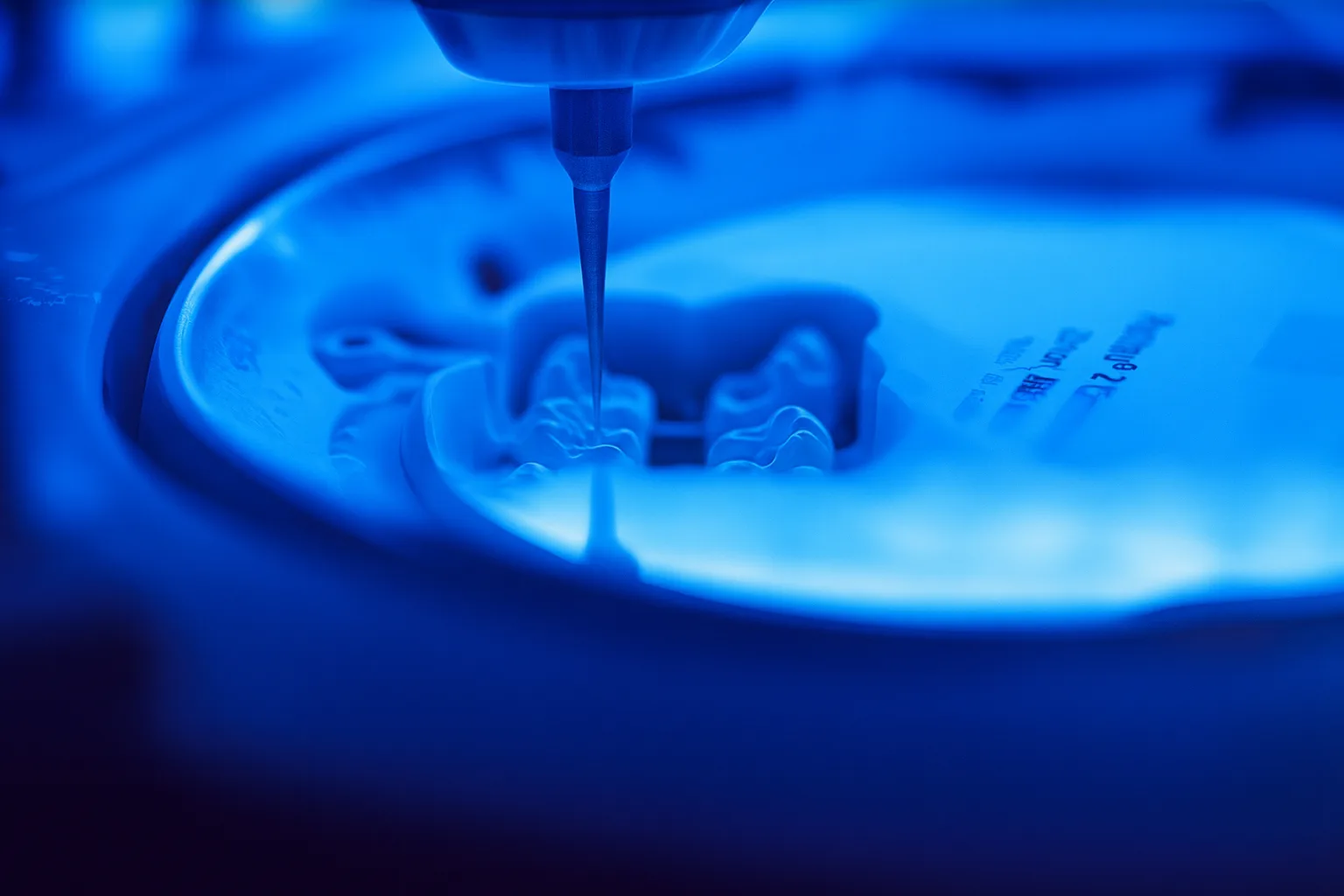
Modern planning tools—such as 3D imaging and guided surgery—can improve precision, support safer placement, and enhance predictability. If you’re considering a comprehensive fixed solution, explore full-arch restoration options as part of the treatment planning discussion.
Your Questions Answered
1. How long does the bone grafting procedure take?
The surgical procedure typically takes about one to two hours, depending on the complexity of the case. The overall timeline for recovery may vary based on individual healing rates.
2. Is bone grafting painful?
Most patients report mild discomfort after the procedure, which can be managed with pain medication. Your dentist will provide specific aftercare guidelines to minimize discomfort.
3. How long does it take for the bone graft to heal?
Bone healing takes months and may take longer for larger or more complex grafts. Initial comfort does not establish readiness for an implant; follow-up assessment determines the next stage.
4. Can I get dental implants immediately after bone grafting?
In most cases, dental implants are placed after the graft has healed. However, some advanced techniques allow for simultaneous placement, which your dentist can discuss with you.
5. What happens if my bone graft fails?
If a bone graft fails, your dentist will assess the situation and may recommend additional grafting or alternative treatments based on your needs.
6. Will insurance cover bone grafting for dental implants?
Coverage for bone grafting varies by insurance plan. It is advisable to check with your insurance provider to understand your benefits and coverage options.
Conclusion
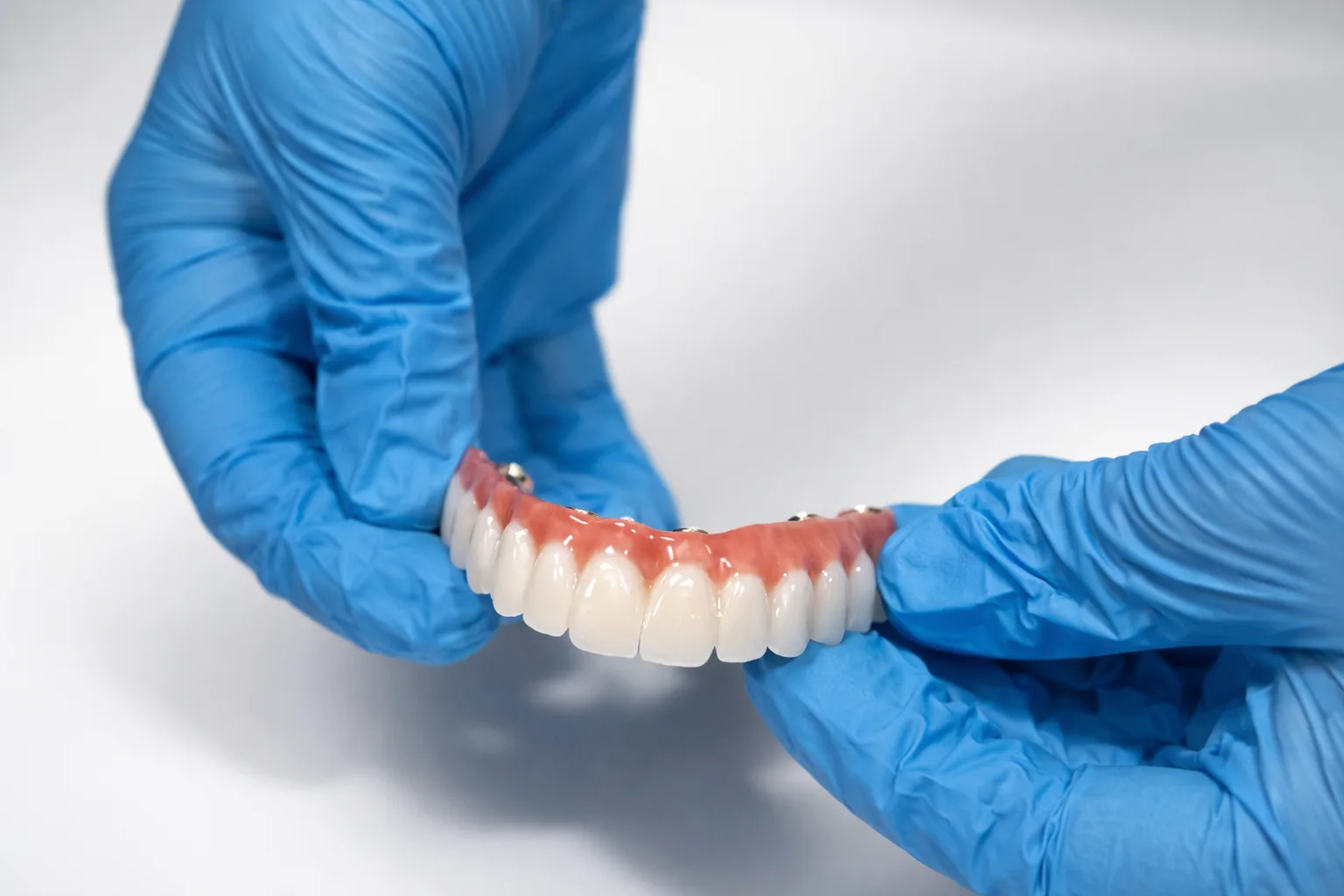
Bone grafting for dental implants explained: it’s a foundational procedure that helps rebuild jawbone volume and strength, improving the predictability and long-term success of dental implants. If you’re exploring implant options, a consultation and 3D imaging can confirm whether grafting is needed and which approach best fits your goals—including fixed solutions like full-arch restoration.
Key Definitions
TERM: Bone Grafting
DEFINITION: A surgical procedure that augments or reconstructs bone structure where bone density is insufficient, often by placing bone material to stimulate new bone growth for implant support.
TERM: Autograft
DEFINITION: A graft using bone harvested from the patient’s own body, often providing strong integration.
TERM: Dental Implant
DEFINITION: An artificial tooth root placed into the jawbone to support a crown or bridge, restoring function and aesthetics after tooth loss.
For cost planning, ask whether grafting is included in the implant estimate or charged separately. Read our insurance guide before assuming coverage.
Fusion's offices are in Roseville and El Dorado Hills. Request a consultation to discuss the proposed plan and alternatives.
Ready to Transform Your Smile?
Schedule your free consultation today and discover how dental implants can change your life.